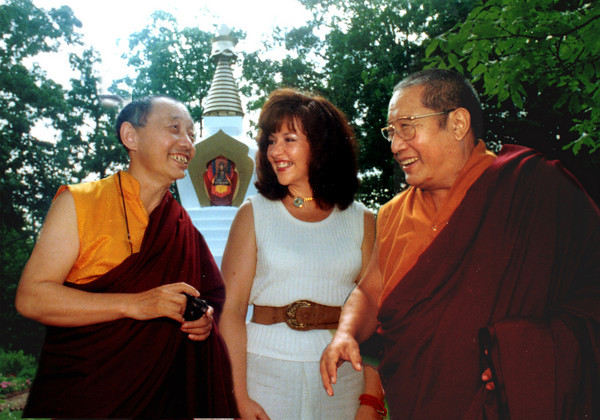
Experiencing Practice

galaxy

The following is an excerpt from a teaching by Jetsunma Ahkon Lhamo offered during a “Good Heart Retreat”

When I start to talk about all of this, it seems like I’m saying, “Okay, go do this, and go do that.” Please don’t hear it that way. I wish that there was some way you could not hear so much with your ears, so that they go in two different channels and you have all those voices in your head arguing with you. But instead hear it with your heart and really kind of vibes with the spirit of the message that I’m putting out here. Again I’m encouraging you not to keep your practice outside as this isolated separate little phenomena that you do in your prayer room. But remember I’m asking you to integrate your faith into your life. To make it real. If we are talking about impartiality, equanimity, and purifying the poisons, then we are talking about abolishing hatred, greed, ignorance, jealousy, and pridefulness. We are talking about making the world a better place—to see as the Buddha has taught us. Really see it. Really get it. In our nature, we are the same. This is what the Buddha has said. In our nature we are the same. To really get that. You can’t do that by simply running around doing all these things that I’m telling you to do. Make a foundation, collect some soup, you know, buy a couple of Christmas presents. That’s not how it’s going to happen.

I have another revolutionary idea. Supposing, once again, you were to really get into your path in such a way as to get into the mysticism of your path. Not simply by visualizing properly, not simply by memorizing the entire Celestial Palace Mandala, so that you have every little bit of it just right. I don’t mean that. If you can do that, it’s great. But in the meantime while you’re doing that, let’s also do something else. Let’s have a mystical experience, shall we? I mean how hard can it be? We’re Buddhists. We’re supposed to be mystical. So rather than talking about the end of ethnic prejudice, the end of hatred, the end of pride, the end of greediness, instead of talking about it, what if we really practiced it and felt it in our practice. Supposing we could kick off this grand idea of being a spiritual community in the world by actually feeling it, by actually doing it in our practice and in our prayers. Supposing we together as a Sangha were to gather periodically and do a meditation. Oh, wow! It’s not written down in the Buddhist books! That’s okay. It’s not a sin to do this. I mean, you know, it’s a funny thing. We have this idea that since we’ve become Buddhist and our prayers are written down in here, we don’t get to say any others. You only get to say those, in Tibetan. Like the Buddhas are up there and they don’t understand anything but Tibetan. If you talk to them, they aren’t really listening, they only talk to the Asians. That’s ridiculous, isn’t it? That’s impossible.

So supposing that we, as Buddhist practitioners had meditations. These are meditations that I like to do by myself. What if we did these as a group together? What if we sat in meditation, simply watching the breath as we do in Vipassana meditation or in shiney meditation, simply gentle meditation with no particular visualization. In our meditation we would relax the mind and abide naturally in the natural state, simply watching the breath as the Buddha has taught. But from that point, what if in this meditation, abiding gently in the nature, we were to expand our view to include first, everyone that we were praying with, to celebrate in meditation, in practice, and in truth, one nature, to meditate gently and abide naturally together. If it’s possible for one, it’s got to be possible for all of us. Supposing after that, we were to reach out, gently, and in that natural state, abiding spontaneously, embrace or include the community around us. Supposing we could recognize that in essence, our breath is the same. Literally, it is. That our breath is the same. Supposing we could understand that in our nature, there’s no place where I end and you begin. Supposing we could do away with those ideas of separation, and in our meditation, expand and embrace till we are meditating as one people. Supposing we could go a little further and meditate as one nation. And what if we could go a little further still and meditate as one world.

Supposing we got so good at this, that in our meditation, we would begin to awaken to the equality and the sameness of all that lives, just like the Buddha said. Supposing in our meditation, we could feel our oneness, our sameness with everybody in Africa, everybody in India, everybody in China, everybody in Europe, everybody everywhere. Supposing we went beyond that to include, as inseparable from that nature, beings who are other species, like the animal kingdom. Supposing we got so good at this that we knew that we were one and could begin to live it. How hard can it be? Nobody’s asking you to work out or anything. All you got to do is sit there and do that. How hard can it be?

And then supposing beyond that we could think about those great pictures they’re sending back from the Hubble telescope. Hmm? We could think about this galaxy and what it looks like. We could think about all the galaxies, those beautiful pictures of all those galaxies in deep space. Have you seen any of those? Oh, breath taking! What if all of that were inseparable from you? What if all of that were inside of you?

Copyright © Jetsunma Ahkon Norbu Lhamo All rights reserved

Cultivating a Good Heart

Eat At Joes

The following is an excerpt from a teaching by Jetsunma Ahkon Lhamo during a “Good Heart Retreat”

Seriously, I do feel that there’s something wrong with the way we’re practicing religion. I really do feel that it is the job of spiritual people, who have as a centerpiece in their religion the idea of compassion, to really move forward towards ending suffering. A great first step is a good, hot meal for someone who’s hungry; some nice warm clothes for someone that doesn’t have enough; to know for sure that there is no child in your community who doesn’t get a Christmas present, a good one, not just left over crap, a good one.

Last year I remember when I was doing a little Christmas shopping, I think it was at Borders Bookstore, that I had this great, terrific little plan. I like to buy my daughter a lot of books. She’s a big reader and they keep her really quiet, when she’s not listening to Alanis Morrisette. So anyway, I buy her a lot of books and she’s very much a lover of books. When I went in there to buy a stack of books for her Christmas present, there was this great idea. It was a Christmas tree, and the Christmas tree had kids’ names on it and what grade they were in, what sex they were. You could pick one of the ornaments with the kids’ names off of the tree and you could buy them a book right there. I bought about ten books that day. How much more trouble is it to make it 11 or 12? It was a great idea. It was just a great idea. If we really started to brainstorm and think like that, we would come up with similar ideas.

Most of the lack that we experience, most of the poverty that we profess to have is merely conceptual. You know, it kind of goes like this: You say, ‘Gee, you know, it’s Sunday night and I’d really like to go out to eat, but I already went out to eat on Friday night and my budget only let’s me go out to eat once a week. So I can’t go out to eat tonight, but I’d really like to. Well, maybe I’ll just kind of mosey on over to a very cheap place, and I’ll get a very cheap thing.’ So you go to “Eat at Joe’s” or something, and it may not be the best food in the whole world, but you’re getting to eat out tonight. That means no dishes, so this is great. So you sit down at this place and you think, ‘All right now, I’m sticking to my budget, so I’d better get a cheap thing.’ You look at the cheap things and you go, ‘Well, you know, for just $2 more I could have a nice thing. And for $1 more than that I could have a salad too.’ So pretty soon, you kind of warm up to the idea that $2 or $3 extra’s not so bad. You know? Well, that kind of thinking can be encouraged in other ways also, because that extra $2 or $3 or that thing that you did by going out to eat and treating yourself is not going to break the bank. You have a concept that it’s going to break the bank, but it’s not going to break the bank.

So what if we were able to think that way ourselves. Like for instance, what about when we go grocery shopping? Supposing when we go grocery shopping, we have to spend $150, some families $200. Hey it happens, right? When was the last time you walked out of the grocery store with less than $100 worth of food? So, let’s say we walk in there and we think to ourselves, ‘Well, I’m going in to buy $100 worth of food, $150 worth of food.’ Would it really kill us if it cost us an extra 10% this time? Maybe $15 worth of canned goods or some food that we could share with our community. How painful is that? How painful is that when we see ourselves going up and down the Keeblers little elves aisle thinking which one of these gizmos do I want, because I can have them all. Or we go by the deli and think, ‘What deli thing must I have today?’ You know, we are an affluent society and we do that. And that’s fine, that’s fine. But supposing while we’re doing that, we could also buy some food that we could share with the community.

It’s not so unimaginable. Okay, maybe you don’t have that extra 10%, or don’t think you do. Start with 5%; start with one can. Start by asking somebody else if they have a can to lend you. But start, anywhere. I mean this is something that’s just easy to do. No one in our community has to go hungry. Even if we’re living here in Montgomery County and there’s not so much hunger here. If we can’t find any here, cross the line folks. There’s plenty in D.C.. What’s wrong with that? How hard is it? It’s not hard at all. So maybe this week you get Bartlett pears rather than exotic pears, and with that extra money you can buy a can of soup for somebody. That’s okay. You’ll live.

What I’m asking you to do now is to begin to formulate how as a community we are going to move into the world. As I explained earlier in the retreat, we are to some degree following a monastic format that was presented to us in Tibet. We have our ordained community. We have our lay community. But it’s never going to fly in that format here. In Tibet, the monasteries were isolated and separate. They experienced a whole different world which did not interface with the community very much. That’s not going to work here. The majority of Buddhists are probably not going to be ordained. So Buddhists have to get involved with the lives of householders. That has to be part of the Buddhist community in as respected and as strong a way as the ordained Sangha. So it would seem to me that while we are searching for a way to express the Buddha’s teachings in our society without fear and hesitation, with compassion and equanimity, let’s also toy with the idea of, as a Sangha, as a spiritual family, as a community, being a visible presence in our world. There should be a place to go to, and someone you can count on, but mostly a good heart in our community.

Copyright © Jetsunma Ahkon Norbu Lhamo All rights reserved
Our Best Hope

NP-89 HHPR Listening to RoC-crop

The following is an excerpt from a teaching by Jetsunma Ahkon Lhamo called “This Time is Radical”

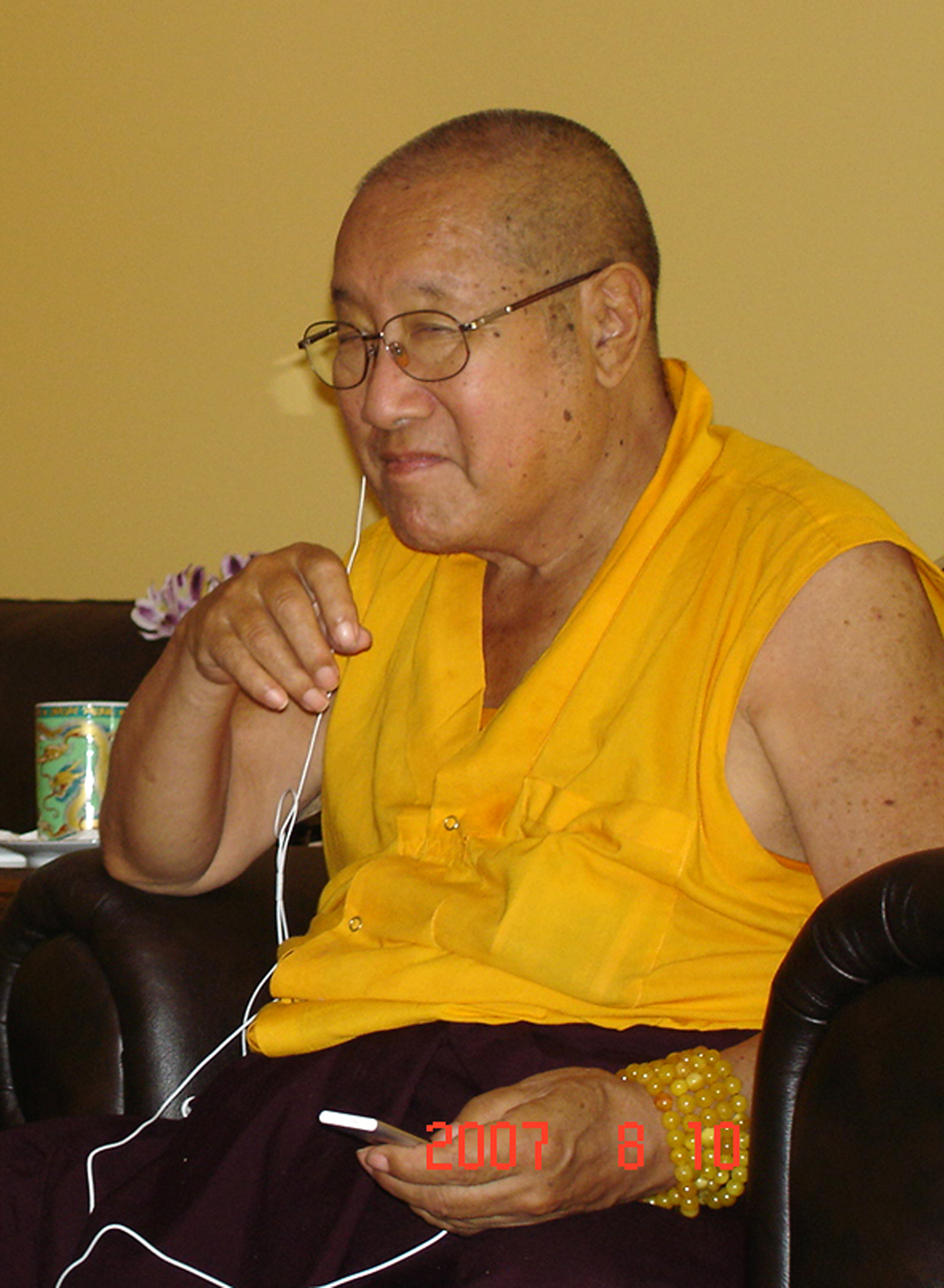
When we practice meditating on emptiness and non-duality, we think we should come out of that feeling oh so peaceful, like milk. And then after that, we should be so peaceful. And I think, “Right on. Whatever.”  Mostly, I think, let’s gather together and be of benefit. I think that’s the most important thing.

At this time, there are people who have come in contact with Dharma. From this time forward, there are those who have the karma to practice but will not have the opportunity because the darkness is getting thicker.For them, we will record mantra and we will send it out to the world. And if it can wake them up, it will wake them up and they will come. And if you don’t know that His Holiness gave his blessing to this, then I’ll tell you that he has.

His Holiness is interested in this. He doesn’t care what it sounds like. He’s not a big rock and roll fan. Not into Hip Hop. Wouldn’t know 80s music from Sub Dub. Just doesn’t know. But His Holiness said, ‘We’ve got to get it out and we’ve got to get it out now.’  And so for me in my practice and in my activity, and that includes the music, we have two streams going here. I’m going to go up to New York and record with John Ward on Monday; and then we have another stream that is in the studio. We are going to do more and more and more and more until everyone who can hears it, and they will come. I find that there is no way to reach out to them because they have, through the thickness and the darkness and the delusion, become too dense to hear. But my determination, our determination, is to call to them so loudly and so clearly in their language, which is today’s language, that they can’t resist us. And they will come. And with every effort that we make, we will continue to practice and pray. And I believe that because of that, they will come in droves.

So I wanted to tell you that. Not because I wanted to put out energy before its time or to brag or anything like that. It’s not like that really. I’m not ambitious in that way. I’m only ambitious in one way, and that is, get it out. Sound the call. So while it’s so dark they can’t see, still maybe they can hear.

I want you to know that when people hear me doing this, they won’t know that His Holiness wants me to do it. They’ll think, ‘What is this?  A tulku?  A reincarnate lama from a throne singing whatever? Blues or hip-hop or whatever?’  But if you listen to it, there’s mantra in it, and there’s Dharma in it, and it’s real. And so I say to you that I have permission, first of all, and I have the heart for it, second of all. God, I hope I have the voice for it. I feel that this is a time of either despondency or empowerment. You are either getting left behind or you’re climbing onboard now. Things are going to get really exciting around here really fast. So I want you to keep your heart practice, and never be swayed by anything you see, no matter what you see. Even if someone says, ‘Well, why is a Dharma teacher making this music?’  Then you can repeat the teaching, “All sounds are the Dharma.”  Learn it. Learn it well and speak it, because that is the truth.

The other thing that His Holiness said is that the Dharma can’t be broken. You can’t break it. You can’t break something that is not of this world. The meaning of that is that in whatever context we can put the Dharma out to sentient beings, so long as it is with good motivation and completely respectful, it will manage. It will do its job. The way it works, as I’ve instructed you before, is that the very vibration, the very sound of Dharma, which is why you have to speak the mantra out loud, the very sound of it reverberates and corresponds with the winds, channels, and fluids within your deepest nature. So if one hears mantra, or sees some connection with the Dharma, even though they may be ordinary and kind of down in the dust and living a very secular, commercial, ordinary life, the power of mantra is such that boom!  they can wake up. It is an ancient resonance that comes to them and they change quickly because of that. I see that happening. And I see that in this time, that’s our best hope. It’s our best hope.

Copyright © Jetsunma Ahkon Norbu Lhamo All rights reserved
The view and purchase music produced by Jetsunma please visit http://www.cdbaby.com/Artist/Jetsunma

Free download of “The Promise“

Compassionate Blessings: A Dialog

The following is from a twitter dialog between Jetsunma Ahkon Lhamo and one of her followers:

Stupas cost about $150K -200K to build including the required Stupa Master. It boggles that people with that kind of money don’t support Stupa building for peace, to pacify suffering, sickness and old age, delay death, pacify war and hunger, and balance the planet. That’s why we should build Stupas.

(Jetsunma asks follower how he is doing.)

Follower: Happy as a clam and fit as a fiddle, lovely one. Your pretty little self?

Jetsunma: Not too shabby even though I had a hopeful ring appraised to build a Stupa. It was a total flat out fake. Gotta fund raise. Fund raising is kind of embarrassing, but its for an excellent reason. We’ll figure it out. Stupas are worth it. If there was anything else worth it I’d give it up in a heartbeat.

Follower: Well, it could be argued that raising the funds for those in need takes precedent, which is, to an extent true.

Jetsunma: I have built Stupas already, over 30, want to build them anywhere there is suffering and hardship or war.

Follower: Good for you, angel. I’m not suggesting you shouldn’t. I spend part of my time raising money to keep a 13th century building up.

Jetsunma: To me and mine this is the best way to give to all, blessings bring result. What kind of blessing? For example, a tumor dissolves, and no money for medical costs. It’s a “vibrational” blessing, sphere of truth. Love. Like a Buddha.

Follower: What about the poor and needy? If only life where black and white, eh?

Jetsunma: And you are right. Its not black or white: compassion. And we do a food bank, animal rescue, we work for the benefit of all. Here’s a teaching offered by a Master Stupa builder on the blessings they bring https://www.tibetanbuddhistaltar.org/the-merit-of-stupa-building/. Thing is you can argue and such but this is what I do, charity and benefit are my reason for being.

Copyright © Jetsunma Ahkon Norbu Lhamo All rights reserved


Follower: 


The Feast

The following is from a series of tweets by Jetsunma Ahkon Lhamo:

I have a true Thanksgiving spirit this year, thankful for all those who made it through the storms and who WILL get their lives back.

I’m grateful for our President Obama and our democratic election with no confusion.

There has never been a better time for all Americans to bond in love and caring – we need each other and our country is NOT divided in half but  equal in heart.

Maybe now we’ll be kind and rebuild what’s broken in a loving spirit, joyful again. This is the true American spirit – hidden for so long. If we don’t send jobs and money overseas we can thrive once again!

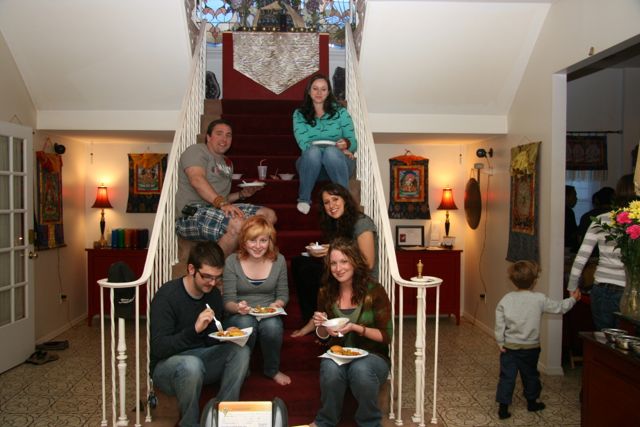
Here at KPC we will gather for the traditional feast and dream of the day when we can feed all people without exception, and be truly grateful for the opportunity we now have.

The great Bodhicitta – the power and wonder of it is more than we can understand. The lack of Bodhicitta is more than we can bear.

The gift of Bodhicitta is more than we can comprehend…uninterrupted Bodhicitta is bliss.

Come to the KPC Food Bank if you can’t afford a Thanksgiving. We are cooking and eating together, or we can try to give you what you need for your family.

You are loved. Happy Holidays!

Copyright © Jetsunma Ahkon Norbu Lhamo All rights reserved
Bird Stew: Compassion in Action

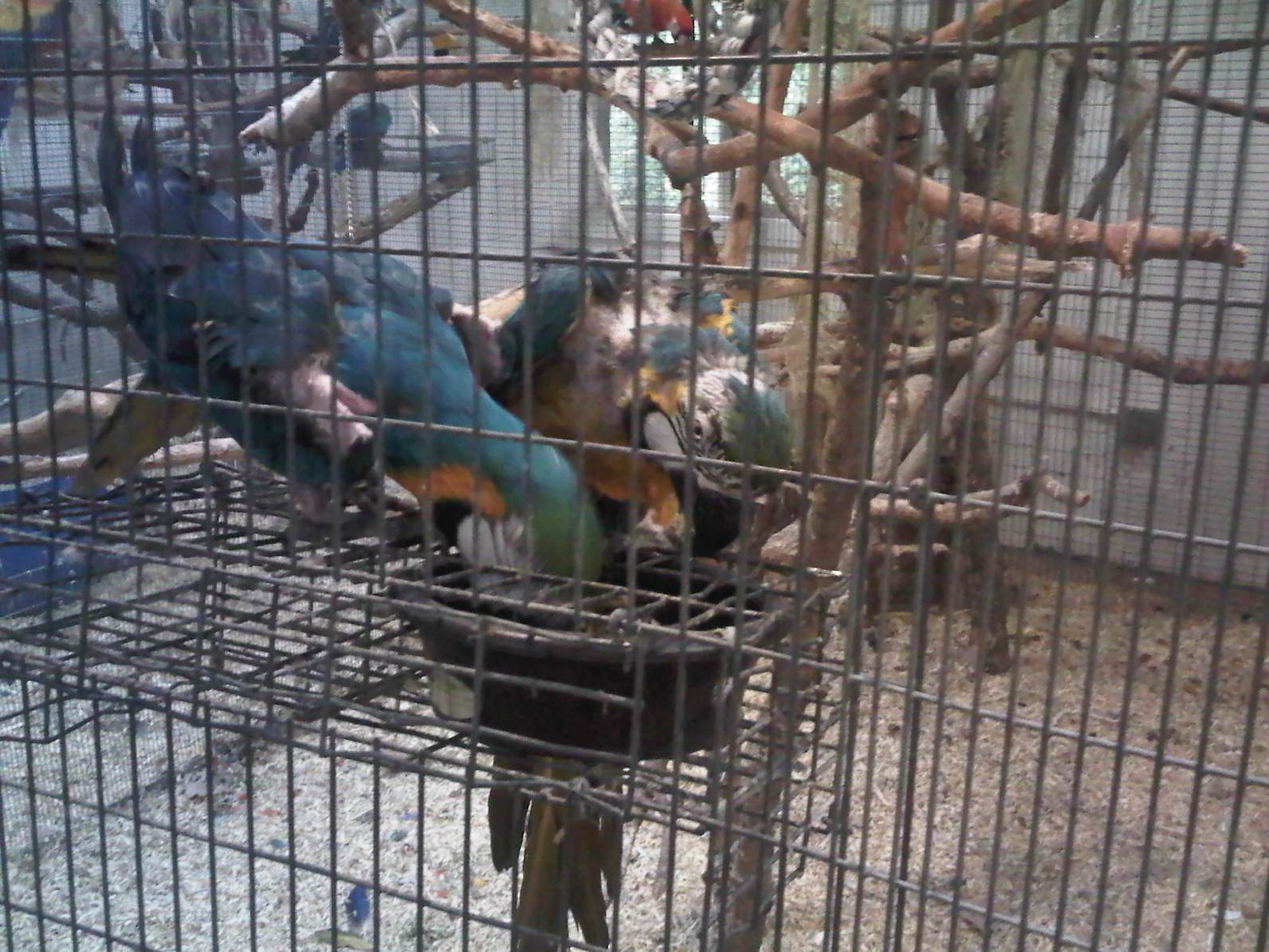
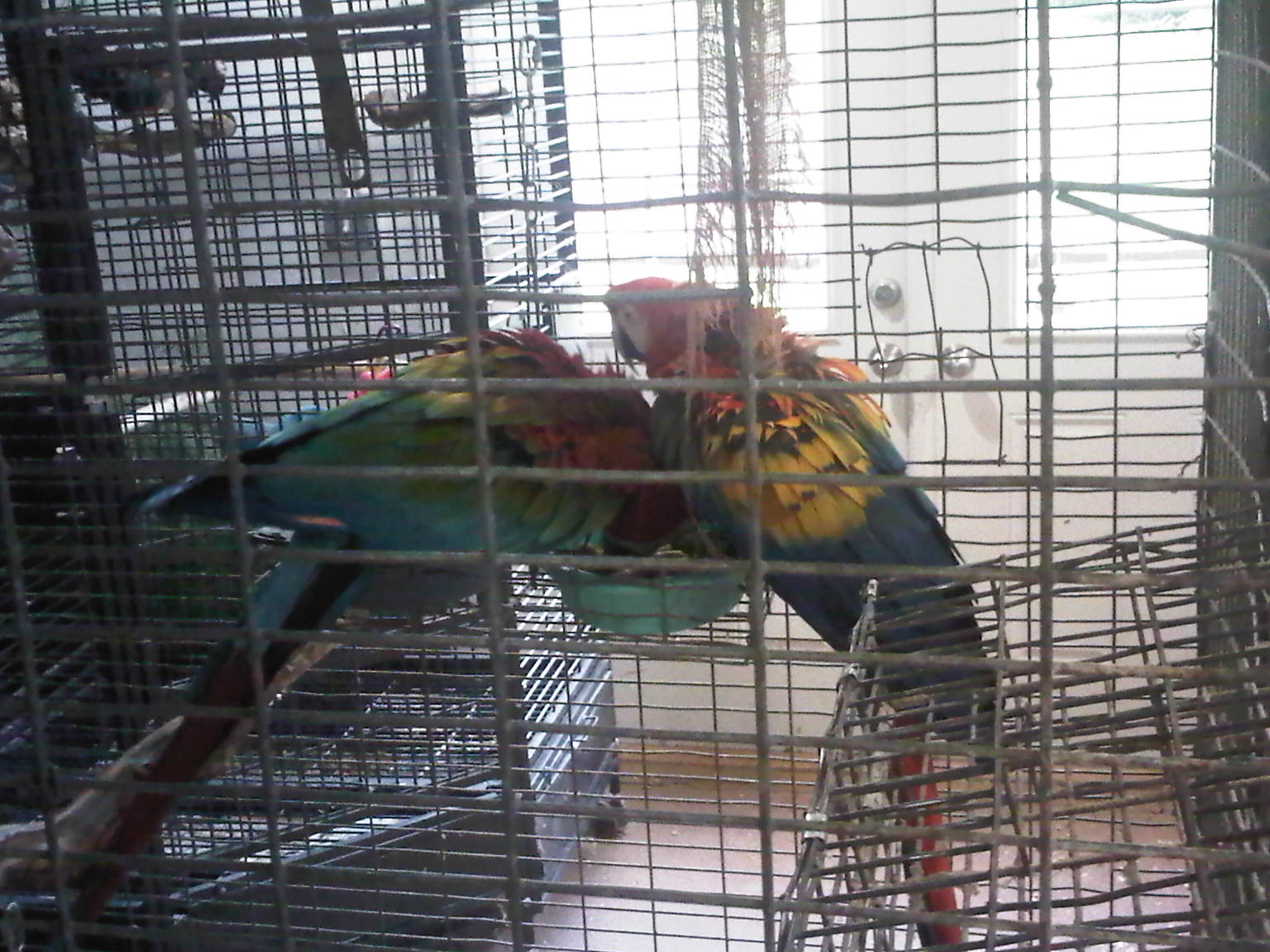
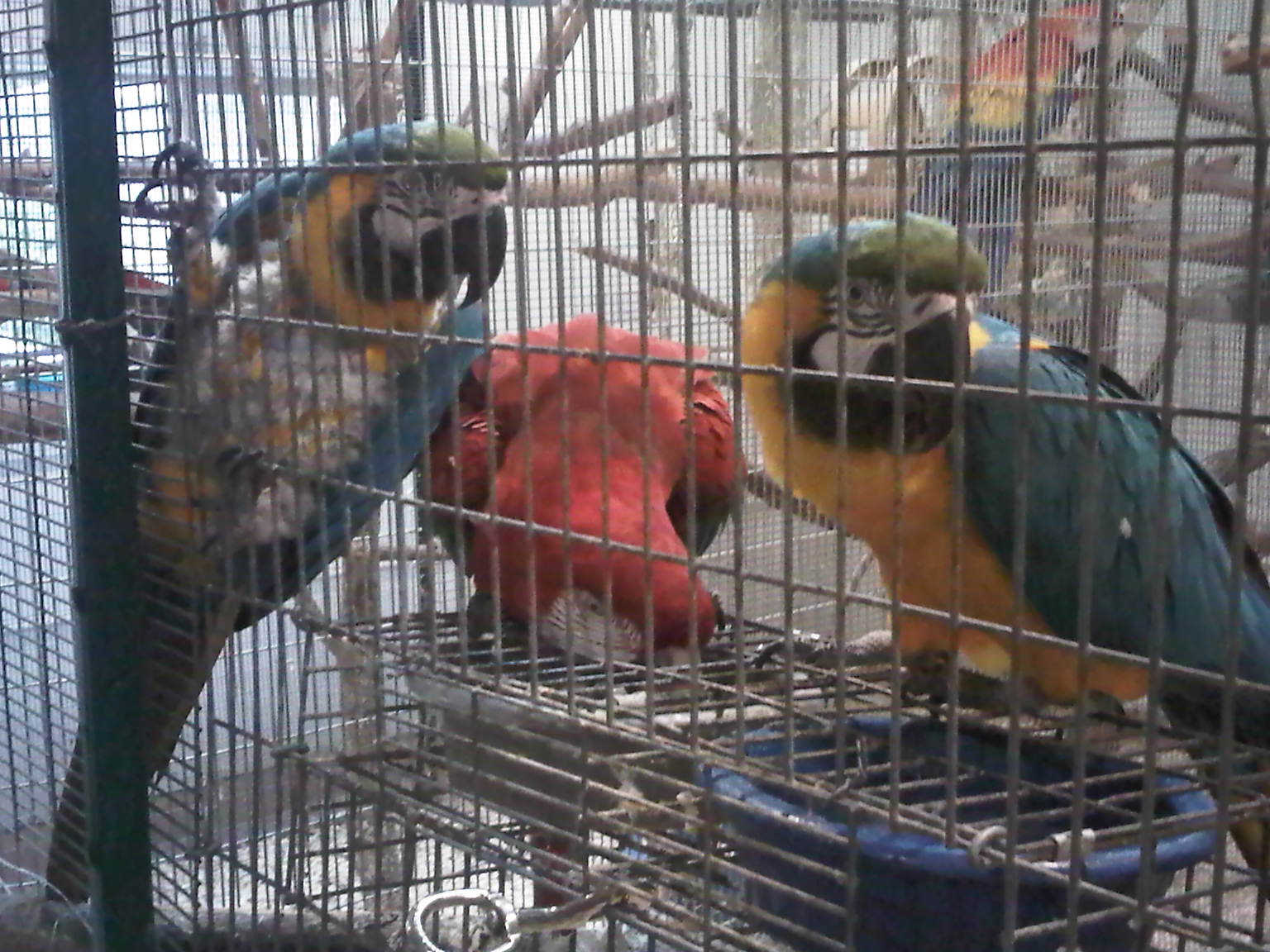
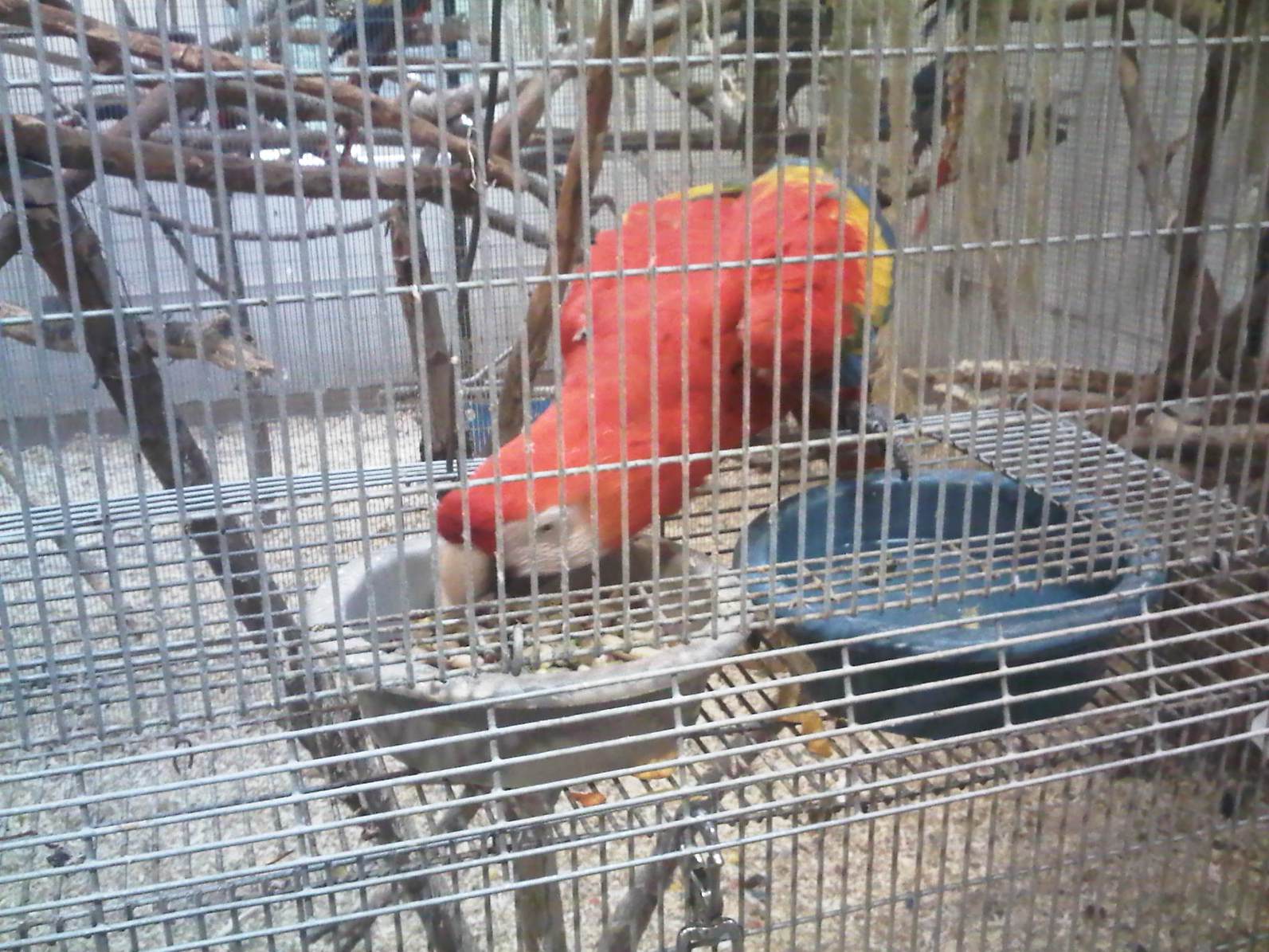
Jetsunma Ahkon Lhamo started the Garuda Aviary in 1999 after she adopted Tashi bird, a Moluccan Cockatoo who was driving her former owner crazy with her screaming. Jetsunma soon discovered there are countless parrots suffering from neglect and abuse due to owners ill prepared for their needs.

Jetsunma was so moved by the awareness of the suffering of these intelligent, long lived beings, that one bird quickly grew to 36, and the Garuda Aviary was founded to provide life long sanctuary to abused and neglected birds.

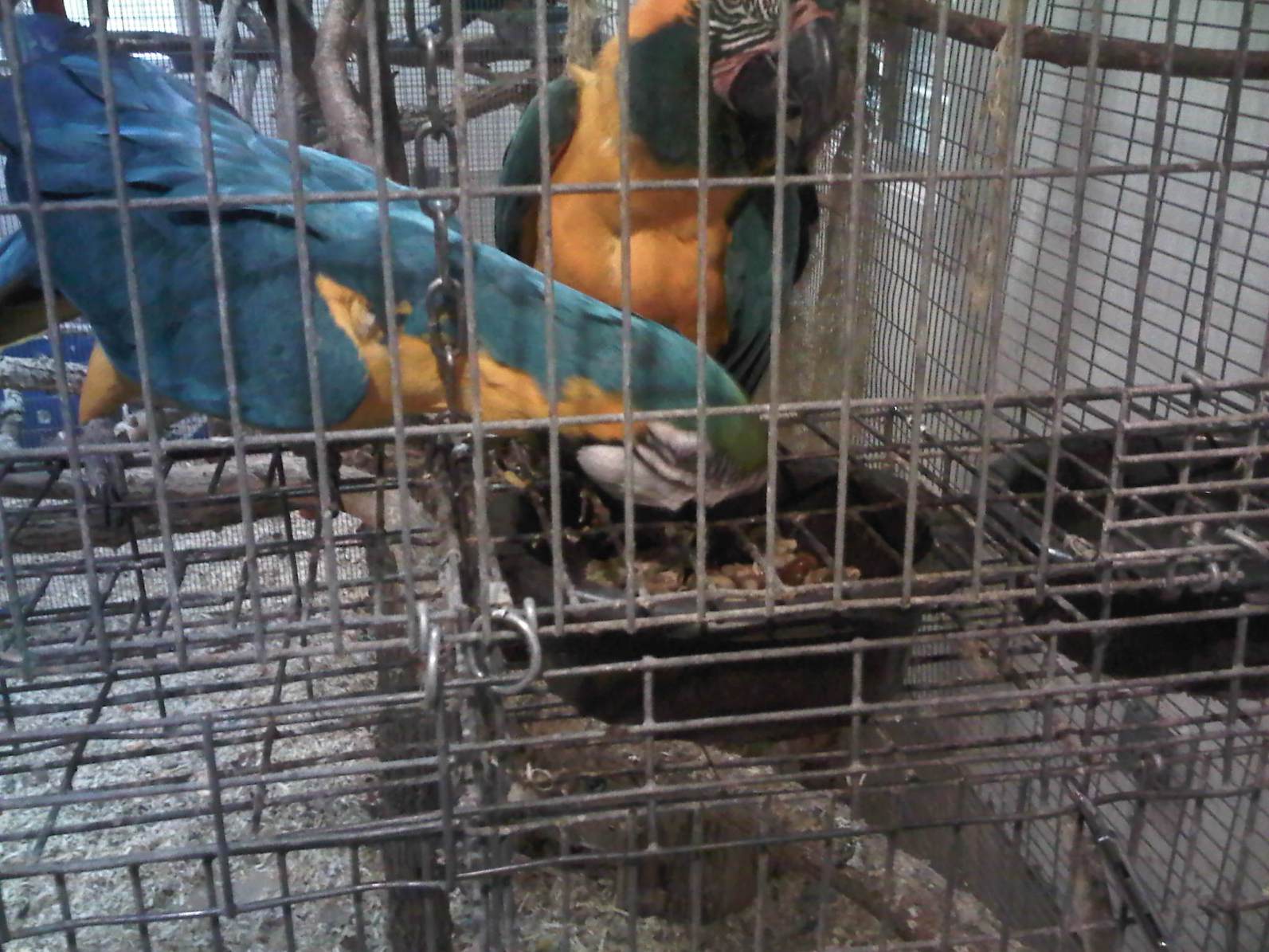
Now Garuda Aviary, a non-profit organization with one paid caretaker and a small staff of volunteers, cares for more than 50 birds, committed to caring for each of them for the duration of their lives.

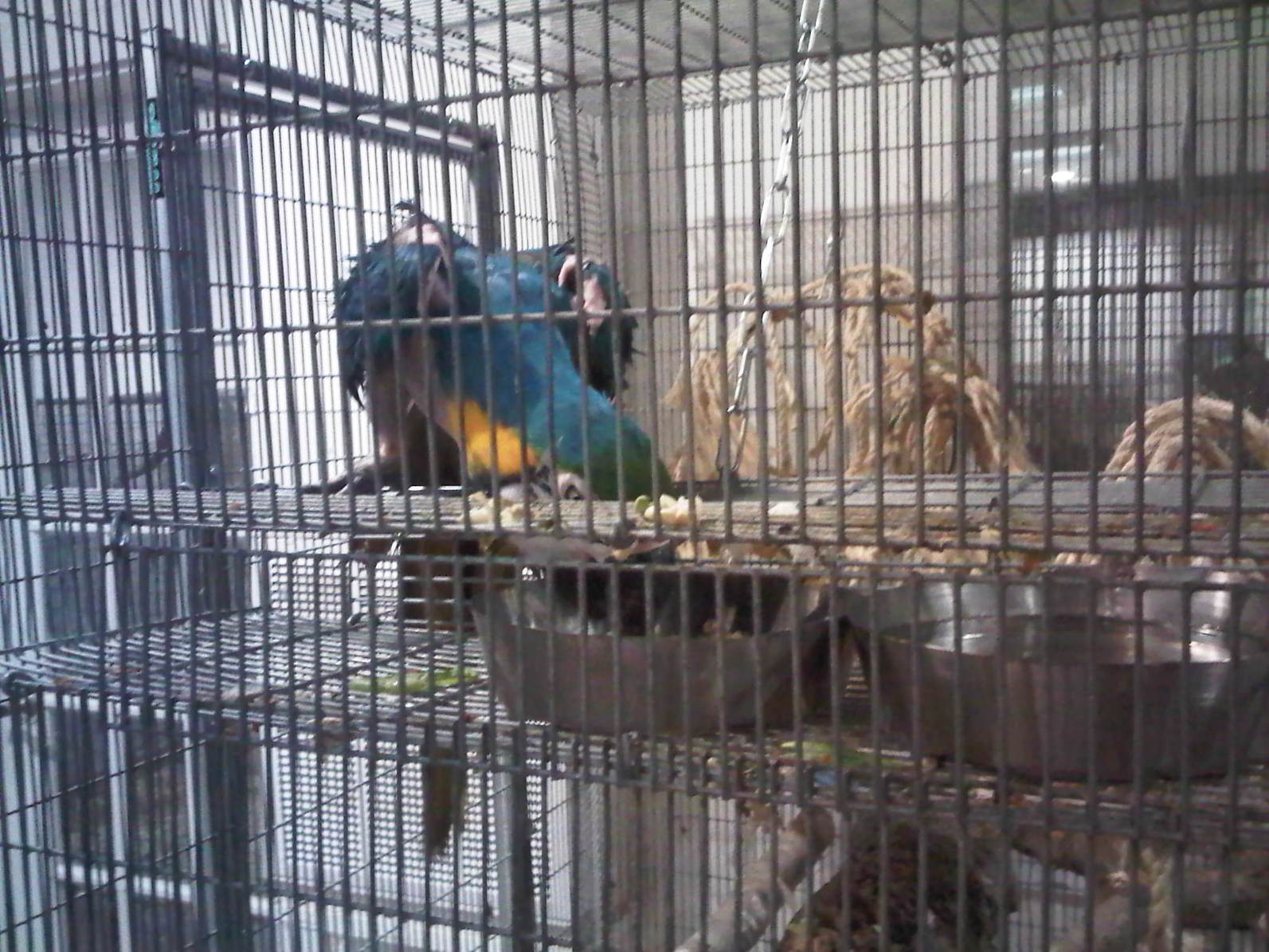
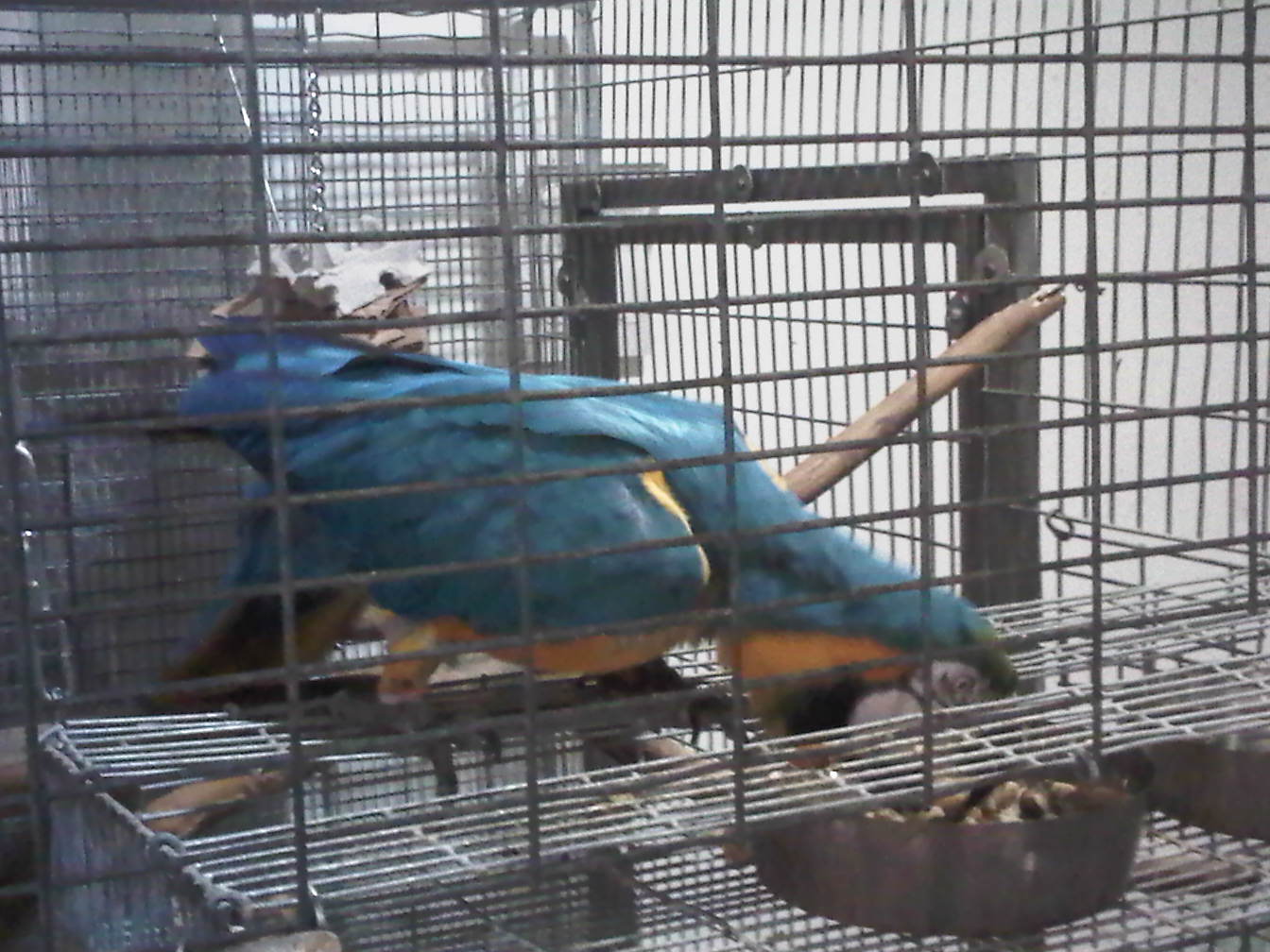
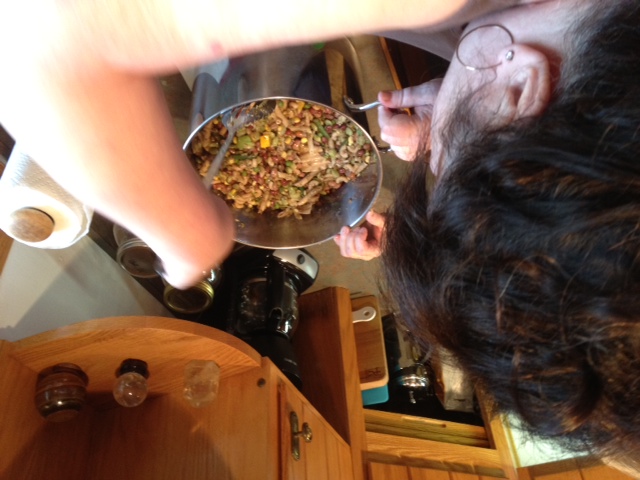
Jetsunma continues to support the birds by preparing large pots of fresh food, “Bird Stew”, for the birds on a regular basis. Parrots enjoy fresh, healthy and nutritious foods, and Rigdzin, the primary caretaker of the birds, reports they have come to love her stew.

Wishing that others may share in this joyful practice, Jetsunma has asked that this simple recipe be offered so others may feed their birds a nutritious, healthy treat.

This recipe produces a large amount of food, enough to feed 50 birds as a supplement to their diet for several days, so amounts may be adjusted for those with fewer birds. Jetsunma also suggested the stew can be portioned into ice cube trays or empty margarine containers and frozen. These smaller portions can then be warmed in a pan for those with smaller birds.


Supplies:

Large pot

2 bags of dried beans (pinto, red, black, navy, white, or a combo)

1 bag of lentils

1 package of frozen vegetables (mixed vegetables, butter beans, peas, carrots, corn, a variety)

Any left over vegetables from family dinners, but do not feed avocados or white potatoes.

2 lbs of pasta (elbow, spaghetti or penne)

seasoning: Mrs. Dash italian flavor, spicy flavor, hot peppers


Process:

Put two bags of beans in 6 quarts of water and bring to a boil for 20 minutes then turn off heat.

Allow beans and water to sit until completely cooled for an hour.

Bring pot back to a boil and add lentils, vegetables, pasta and seasoning and cook until pasta is Al Dente.

Immediately remove mixture from heat, drain, and run under cold water to stop the cooking process (birds prefer beans and pasta Al Dente rather than mushy.)

May every being be free of suffering!


 Copyright © Jetsunma Ahkon Norbu Lhamo All rights reserved
Offered for the Benefit of All Beings

The following is an excerpt from a teaching by Jetsunma Ahkon Lhamo called “Western Chod”

My teachers have instructed me that that practice is actually called ‘chöd’ (and there is an umlaut above the o).  Actually there is no text to go with it so you couldn’t say it was the practice of chöd as it is written in the text.  It has been called by my teachers the essence or essential nectar of chöd.  So I have been given permission to continue to practice that way and also to teach others to practice in that way. My experience has been that it has made my life a lot easier.

Now how is that? Well, I’ll tell you.  It came to pass that there were many sacrifices that needed to be made.  I’m not saying this so that you’ll say “Oh, isn’t she a good girl!”   Save it.  I don’t care.  But there were sacrifices that needed to be made. If I’d had my druthers, I would still be on a farm in North Carolina.  By now I would not only know how to put up beans, but I would have the best darn garden you’d ever seen, and all the farmers around would be impressed.  And I would have a dairy cow to boot.  I would still be there.  I would still be there, much isolated.  I prefer a lot of privacy.  Even though I seem to be good at this (I don’t know why but I seem to be good at this),  I have to tell you that everyone who knows me well knows that to get me out of the house so that I’ll come and do my job, it takes oh, spraying with Pam and loosening her up with a crowbar.  It’s not my natural tendency to want to come out and do this. I really don’t like this kind of thing.

Not only did privacy have to be given up (and that seems to be getting worse and worse), but also personal freedom.  Now I am in the position where if I decide that I want to go somewhere and just not think about whether I look like a dharma teacher or not, just sort of be myself, I find that it’s a little tricky. It happens pretty often that people will come up to me and they will say “Are you that Buddha lady?”  It really happens on a regular basis.  In fact one time at the airport somebody came running up to me, “Are you that Jetsa Jetsa Buddha lady?”  That Jetsa Jetsa Buddha lady, that’s me!  So I have that kind of going on. And you know, I was not brought up as a Tibetan.  I was not groomed for this job; I just got this job.  So I found that many sacrifices had to take place, including watching my children have to give up their own privacy.

There are just a lot of issues.  When we first came to this temple, none of the doors that you see were here.  There were hardly any doors on the inside of the temple.  Everything was very open and this room was divided in half. We used to live upstairs, but there were no doors between the upstairs and the lower, and so basically I was not separate from the temple whatsoever. And the only coffee pot, get this!, the only coffee pot in the whole place was downstairs where the kitchen room is downstairs now, and I slept upstairs.   , Because this place was open 24 hours a day, I would have to wade through students to get to my first cup of coffee in the morning.  If that’s not love, what is? ?  Then my students would say to me, “You never smile at me in the morning.”  Smile in the morning!!  The weight of the bags under my eyes keep my cheeks from going up, what can I tell you!  So anyway, smiling was not forthcoming before the coffee, I’m sorry.  There’s not that much compassion in the world!

I eventually came to draw a lot of strength and a great deal of comfort from that early practice because I found out that I never actually had to make another decision.  And that’s what we struggle with all the time.  Should I spare this time to do my practice?  Should I spare this time to practice compassion toward others?  Should I spend the effort to go over here and help that person?  Should I do that? It’s that thinking—should I, should I, should I?  You burn more calories doing that than any of the good works that you actually do in your life.  So I found out that that head thing that we do when we can’t decide and we always go through the dilemma of being a samsaric being, that was alleviated, and I never really had to make another decision ever again.  I felt that from that point on, everything in my life had already been decided because I didn’t own my feet, I didn’t own my ankles, didn’t own my body, didn’t own my speech, didn’t own my hearing, didn’t own anything. Anything!  I had already decided that I owned nothing.  None of it was mine.

So then whenever I was called upon, well will you do this, will you do that, will you do that?  Now the ultimate test, the moving!  Will you do that?  Yeah, I’ll do that.  You know why I’ll do that?  Because it’s already decided.  None of this really belongs to me.  My job now is to protect every capability that I have or any effort that I’ve made in order to benefit beings.  That I will protect, with fangs out and nails extended.  That’s when you’ll see the meanness in me.  That I will protect, but regarding anything personal, it’s no big deal because it’s already gone.  I don’t own it.  So I take good care of it.  I feed it well.  I exercise it, but ultimately I realize that I’m doing that in order to maintain its strength in order to benefit sentient beings.  I don’t feel that I own it.  I’ve  already given it up.

 Copyright © Jetsunma Ahkon Norbu Lhamo All rights reserved
Gratitude and Joyful Effort: Reclaiming the Peace Park

The following post was submitted by Ani Yeshi Dolma, a student of Jetsunma Ahkon Lhamo:

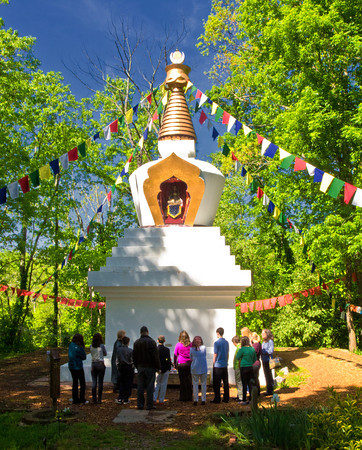
We never know how profoundly we touch the lives of so many.  Kunzang Palyul Choling (KPC) has many opportunities for people (and animals!) to connect with something spiritual deep within themselves.  Seekers from all walks come to KPC whether it’s for meditation, seeing the Stupas, walking the trails in the Peace Park, using the energy powers of the crystals, or simply to sit and have tea among a group of folks focused on compassion and peace in our world.  Jetsunma Ahkon Lhamo, Spiritual Director and founder of KPC purposely created a space with a 24 hour prayer vigil that still exists today for more than 27 years dedicated to bringing about the end of suffering.

One of the many activities at KPC involves the Stupa and Peace Park, home to more than 15 stupas, prayer wheels, gardens and crystals along windy and beautiful trails that connect each of the gardens in a metaphysical formation inspiring healing energy.  All of this located in Montgomery County, Maryland minutes from the Potomac River.

On June 2nd of this year, Kat Johnson came out to the Stupa and Peace Park after many years of being away.  She had visited KPC several years ago, prior to the winter storms of the last five or six years.  Kat was devastated to see the condition of the park knowing how beautiful and pristine it had once been.  On her visit in early June, she brought several friends along, meeting one of Jetsunma’s ordained, Ani Dolma, who was working on repairing one of the stupas in the park.  They talked for several minutes, and Ani Dolma explained how the storms over the last several years had been really hard on the Peace Park, bringing down a lot of trees, blocking many of the trails, and vegetation overgrowth.  It was hard to even see the entrance to the park.  Heavy snows had been hard on the stupas as well.  In short, the Stupa and Peace Park had become victim to the harshness of mother-nature, and while efforts had been made to reclaim trails, more people were needed in order to really bring back the pristine element of the park.

Kat promised Ani Dolma she wanted to come back with more people and help rebuild the park as she had remembered it, and what it had done for her.  They exchanged contact information, and a friendship was formed.  On June 30th, Kat and several of her friends came out, all members of the Mid-Atlantic Hiking Group, and helped reclaim what is endearingly referred to as the Green Garden.  The trail had been completely taken over by vegetation, and it had become difficult to find the garden much less get to it.  After six hours of digging, pulling, chopping and hauling the Green Garden was resurrected with a clear trail, and the garden was unearthed from mounds of vegetation. Approximately 20 feet of the trail leading to the garden had eroded and it was difficult to get down into the garden safely.  Kat’s crew worked with Ani Dolma and a new trail, complete with steps was erected, all made from downed trees.

The color gardens correspond to five directions (North, South, East, West and Central), and the five purifications of the five poisons.  The Green Garden is associated with the direction of North, and corresponds to All-Accomplishing wisdom, purifying the poison of jealousy.  Each of the five color gardens has prayer flags, prayer wheels, a crystal and small stupa.  The land itself, approximately 65 acres was over-farmed and was recovering well when harsh winters set us back.

Kat and her friends had such a great day in June; she decided to contact a friend of hers, who is a primary manager and coordinator for the Mid-Atlantic Hiking Group, Kellie Carlisle.  Kellie is a certified wildlife hike leader, and first aid trained.  She was inspired by Kat’s commentary of the stupa and peace park, and together the two of them have organized a group of 70 – 100 volunteers who are scheduled to come out to KPC on August 5th, and help clear trails, push back vegetation, and help revive the stupa and peace park.  Ani Dolma will be on site, and is organizing a large BBQ for the evening, to show KPC’s appreciation to these two ladies, and all those who are coming out to help re-establish the KPC stupa and peace park.  Stupa repairs will also be ongoing over the weekend, and throughout the remainder of the year.

We are grateful to Kat and Kellie, and their dedication to the KPC Stupa and Peace Park!

Heart Teaching from Palyul Ling in Upstate New York

The following is a teaching offered by Jetsunma Ahkon Lhamo at Palyul Ling in upstate New York on July 29th, 2012:


Video streaming by Ustream

You can download an mp3 file of the teaching here:

Kindness is The Way

 Copyright © Jetsunma Ahkon Norbu Lhamo All rights reserved
WP2Social Auto Publish Powered By : XYZScripts.com