Stand By Me

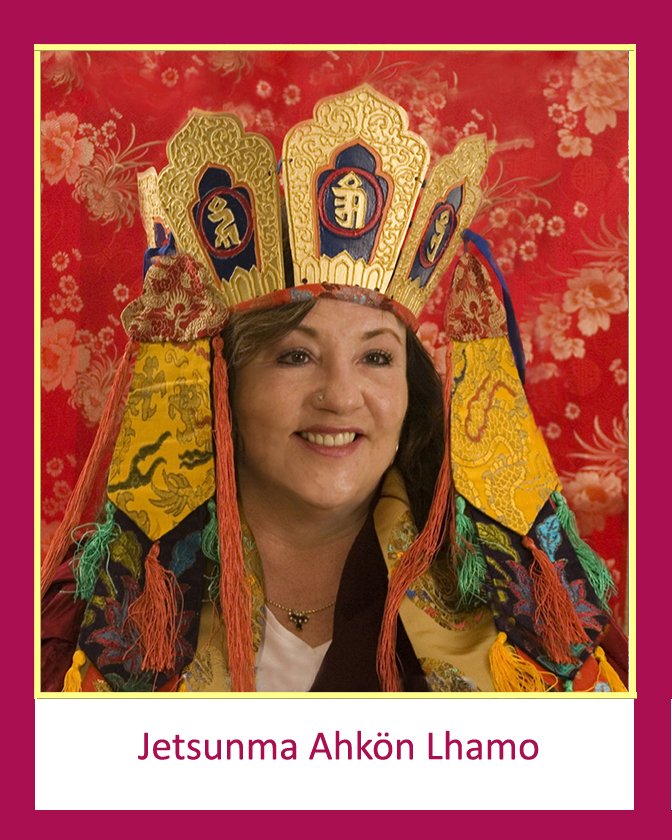
Lyrics by Jetsunma Ahkon Lhamo

If you could stay my friend
Until samsara ends
There would be time to spend
Loving all beings
Loving all sentient beings

If you could live this life
With all its war and strife
Living a sacred life
Stand by me

Chorus:
But I’m just a simple fool
I’m not that good at social rules
What would I know ‘bout what to do
I’ve got crazy appetites
For love and truth and all that’s right
Sometimes I just wanna see
Some light in your eyes

If you could start right now
You’d gather strength somehow
We could turn hate around
If you stand by me

If you could take advice
Let your heart voice thrive
It could be paradise
When you stand by me

Chorus:
And if the truth be told
This story’s very old
Your karma still unfolds
As you stand by me

Copyright © Jetsunma Ahkon Lhamo.  All rights reserved
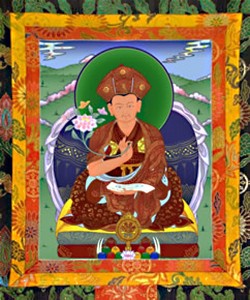
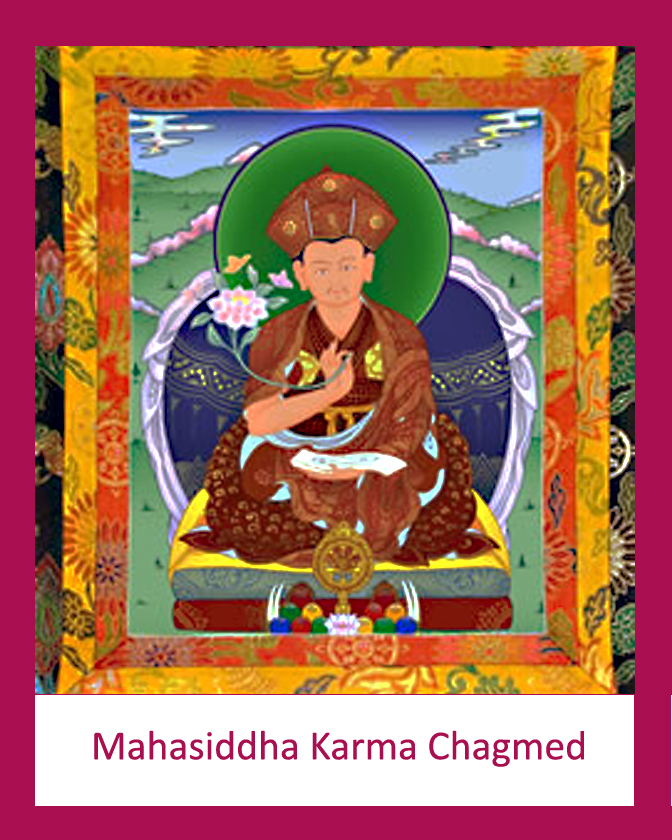
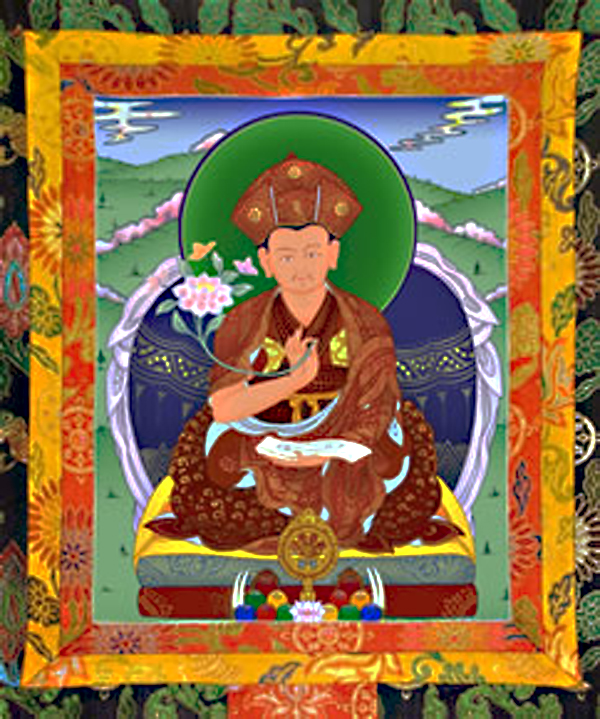
Mahasiddha Karma Chagmed Rinpoche

Mahasiddha Karma Chagmed Rinpoche

(1613 – 1678)

Mahasiddha Karma Chagmed Rinpoche was one of the main teachers of Terton Migyur Dorje, and served as his scribe, writing down all the terma revelations as they were spontaneously revealed to the young treasure revealer.

Karma Chagmed Rinpoche was born in the province of Nyomtod, Zalmo Gang region, in the tenth Tibetan rabjung year (1613). He was given the name Wangdrag Sung (Powerful Speech) at birth. Throughout his childhood, he displayed many wondrous signs of being a special child. From the age of eleven, he received from the great secret yogi, Prawashara, his root guru of many past lifetimes, many extensive empowerments and transmissions. He diligently put the instruction he received into practice and attained great accomplishment in both the generation and the dissolution stages for each of the deities he practiced.

When he took his full ordination (gelong) at the age of nineteen, he was given the name Karma Chagmed and became a member of the sangha at the Thupten Nyinling Monastery in the same year. Known for his discipline and noble character, Karma Chagmed applied himself diligently and fulfilled all the accumulation of mantras he set out to accomplish in his practice. At the age of thirty-seven, he entered into a period of intensive retreat of Avalokiteshvara, Gyalwa Gyatso and the Mahamudra for thirteen years. After he left the retreat at the age of fifty, he performed many great accomplishment ceremonies during which many fortunate signs such as sweet fragrance in the air and rainbow colors in the sky manifested around him. He was regarded as the incarnation of Avalokiteshvara, Guru Padmasambhava, Songtsen Gampo, Gyalsei Sednaleg, Luyi Gyaltsen and Milarepa.

Karma Chagmed Rinpoche propagated the Buddha Doctrine far and wide to many students by giving empowerment and transmission on Namcho, Sangye Lagchang, Tsa-Lung and many other profound revelations. His foremost disciples included Kunzang Sherab, his sister Ahkön Lhamo, Pema Rigzin, Ratna Bidza and many others. In the eleventh rabjung year of the Earth Horse (1678 AD), when Karma Chagmed Rinpoche was sixty-six, he informed his students that it was time for him to go to Dewachen (the realm of great bliss). On the first day of the sixth month of the same year, Karma Chagmed Rinpoche condensed his mind into the heart of Buddha Amitabha and entered the realm of great bliss.

During the cremation ceremony, the sky was filled with rainbow colors which appeared like pitched tents amongst white clouds which manifested in the form of the eight auspicious symbols. In spite of the fierce heat of the cremation fire, the brain, heart and tongue of Karma Chagmed Rinpoche remained undamaged and clear images of the Wrathful Deities of Chemchod, Gurdrag, Drolod and the syllable AH appeared in the organs. The bone relics recovered from the cremation ashes were found to bear the embossed images of Avalokiteshvara, Dechog, Phagmo and the eight auspicious symbols.

Reference:  Pathgate Institute of Buddhist Studies

The Great Terton

Vidhyadhara Migyur Dorje
(1645 – 1667)

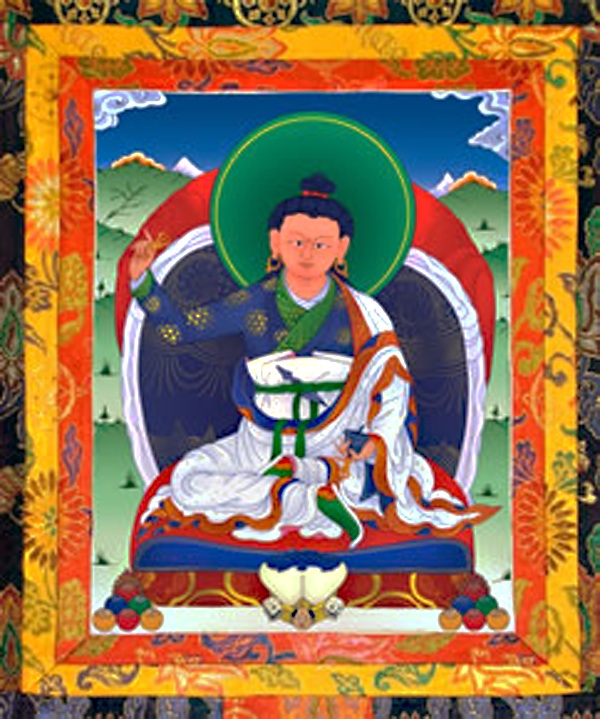
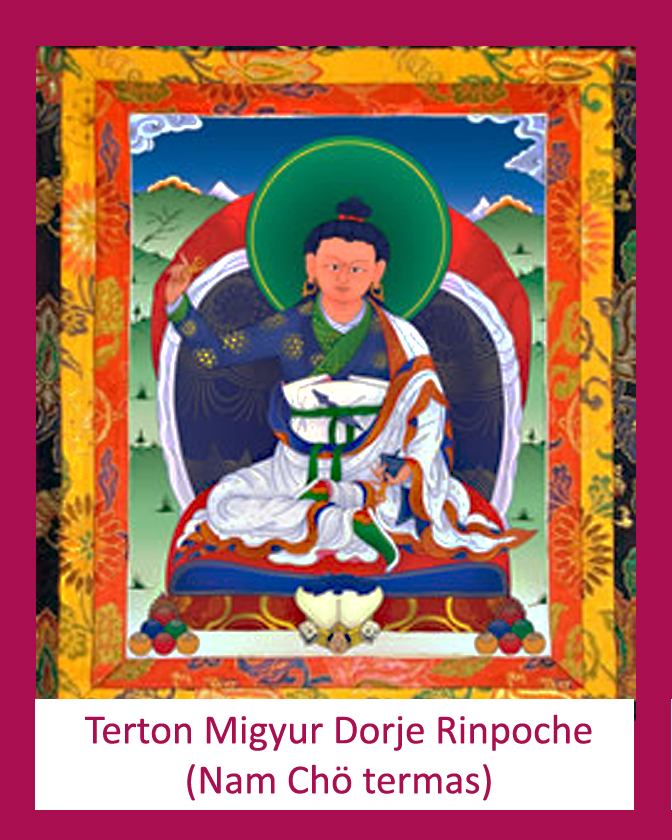
The Great Terton (Treasure Revealer), Migyur Dorje was born in Nhom Tod Rola in the province of Kham in Eastern Tibet on the seventh day of the ninth month of the Wood Bird Year (1645). Just as Lord Buddha Shakyamuni, he was born without harming his mother or causing her even the slightest bit of pain. His right hand was marked by an extraordinary blue mole, symbolizing the single-essential nature of the Dharmakaya (The Body of the Ultimate Truth).

As a small child, he enjoyed using his hands to perform mudras (Dharma hand gestures) and carried out secret yogic exercises by himself. As soon as he could speak, he told others that he was a lama of the Kathog tradition and was able to give detailed description of his previous life at the Kathog Monastery.

During his childhood, he had many visions of Great Masters. One day he had a vision of Guru Loden Chogsed, one of the eight manifestations of Padmasambhava, and through gesture transmission, he understood how to read and write. When he was seven years old, in a state of pure vision, many Primordial Wisdom Dakinis told him of the importance of relying upon a guru. Instantly, without any obscuration he had a vision of the great scholar and siddha, Raga Ah Syei (Chagmed Rinpoche), who was in solitary retreat, and an intense desire arose to be in his presence.

When he was ten years old, he met Karma Chagmed Rinpoche in person and received the purification blessing of Nam Jom and Dor Sem, and the transmission of Thug Drub Yang Nying Dupa (Innermost Essence of the Mind Accomplishment). The following year, Migyur Dorje entered into retreat with the Great Mahasiddha, Karma Chagmed Rinpoche. At the retreat, Migyur Dorje received continual visions of Buddha Amitayus, Guru Padmasambhava, Buddha Amitabha, Avalokiteshvara and many other Yidams (Meditational Deities). From each of the Yidams, Migyur Dorje received many specific empowerments and transmissions. These he compiled into thirteen volumes called Nam Chö (Space Treasures) and practiced with single-pointed focus until he attained the full accomplishment of each of these treasures.

Although Terton Migyur Dorje was destined to reveal earth termas, the merit of sentient beings was deficient and it was due to this that his presence in this world was cut short. In 1667, the year of the Fire Sheep, he was in his twenty-third year and while staying in a sacred place in Mugsang, he began to show signs of illness. As the third month approached, his illness grew worse and he was forced to stop giving all dharma transmissions. On the eleventh day, he prayed to the meditational deities and offered many dedication prayers. On the fourteenth day, he had a vision of all eight Herukas and their accomplishment mandalas. On the morning of the fifteenth day, he beheld the three root-peaceful and wrathful assemblies of deities and assuming the vajra posture he entered into meditative equipoise. On the evening of the sixteenth day, while counting mantras on his prayers beads, he passed into the empty sphere of truth and remained sitting upright in meditative equipoise for three days.

At the cremation, rainbows in the shape of pitched tents appeared in the sky. The heart and tongue of Migyur Dorje were undamaged by the fire. These, together with the bone relics embossed with vowels and consonants of the Tibetan language were placed inside golden Stupas, which served as objects of refuge revered by devotees to this day.

Reference:  Pathgate Institute of Buddhist Studies

Palyul Nyingma Institute, Singapore

Tibetan Schools and Palyul

Tibetan Buddhism has four main traditions:

Nyingma “the Ancient Ones” This is the oldest, the original order founded by Padmasambhava andSantaraksita.  Whereas other schools categorize their teachings into the three vehiclesThe Foundation VehicleMahayana and Vajrayana, the Nyingma tradition classifies them into nine vehicles, among the highest of which is known as Atiyoga or Dzogchen “Great Perfection”.  Hidden treasures (terma) are of particular significance to this tradition.

Kagyu “Lineage of the (Buddha’s) Word” This is an oral tradition, which is very much concerned with the experiential dimension of meditation. Its most famous exponent was Milarepa, an 11th century mystic. It contains one major and one minor subsect. The first, the Dagpo Kagyu, encompasses those Kagyu schools that trace back to the Indian master Naropa via MarpaMilarepa and Gampopa, and consists of four major sub-sects: the Karma Kagyu, headed by a Karmapa, the Tsalpa Kagyu, the Barom Kagyu, and Pagtru Kagyu. There are a further eight minor sub-sects, all of which trace their root to Pagtru Kagyu and the most notable of which are the Drikung Kagyu and the Drukpa Kagyu. The once-obscure Shangpa Kagyu, which was famously represented by the 20th century teacher Kalu Rinpoche, traces its history back to the Indian master Naropa via Niguma, Sukhasiddhi and Kyungpo Neljor.

Sakya “Grey Earth” This school very much represents the scholarly tradition. Headed by the Sakya Trizin, this tradition was founded by Khon Konchog Gyalpo, a disciple of the great translator Drokmi Lotsawa and traces its lineage to the Indian master Virupa. A renowned exponent, Sakya Pandita 1182–1251CE was the great grandson of Khon Konchog Gyalpo.

Gelug “Way of Virtue” Originally a reformist movement, this tradition is particularly known for its emphasis on logic and debate. Its spiritual head is the Ganden Tripa and its temporal one the Dalai Lama. The Dalai Lama is regarded as the embodiment of the Bodhisattva of Compassion. Successive Dalai Lamas ruled Tibet from the mid-17th to mid-20th centuries. The order was founded in the 14th to 15th century byJe Tsongkhapa, renowned for both his scholasticism and his virtue.

Within these, Kunzang Palyul Choling is Nyingma

There are six “Mother” Nyingma Monasteries:

  1. Katok Monastery, in east Tibet, was founded during the twelfth century, and expanded in 1656.
  2. Dorje Drak Monastery was founded in central Tibet, in 1659.
  3. Mindroling Monastery, in central Tibet, was established in 1676.
  4. Palyul Monastery, founded in east Tibet in 1665.
  5. Dzogchen Monastery, in east Tibet, established in 1685.
  6. Shechen Monastery founded in east Tibet, in 1735.

Within these monastic traditions, Kunzang Palyul Choling is Palyul.

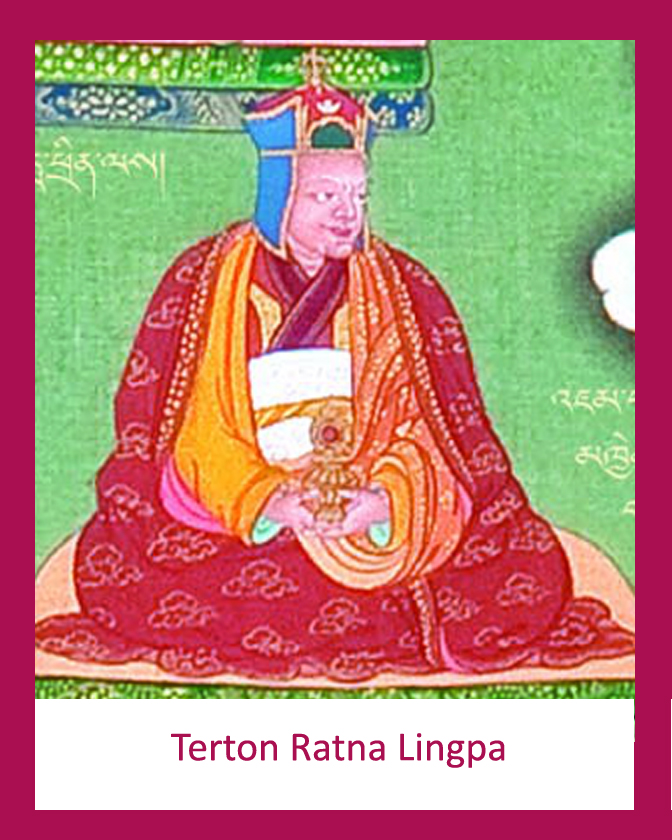
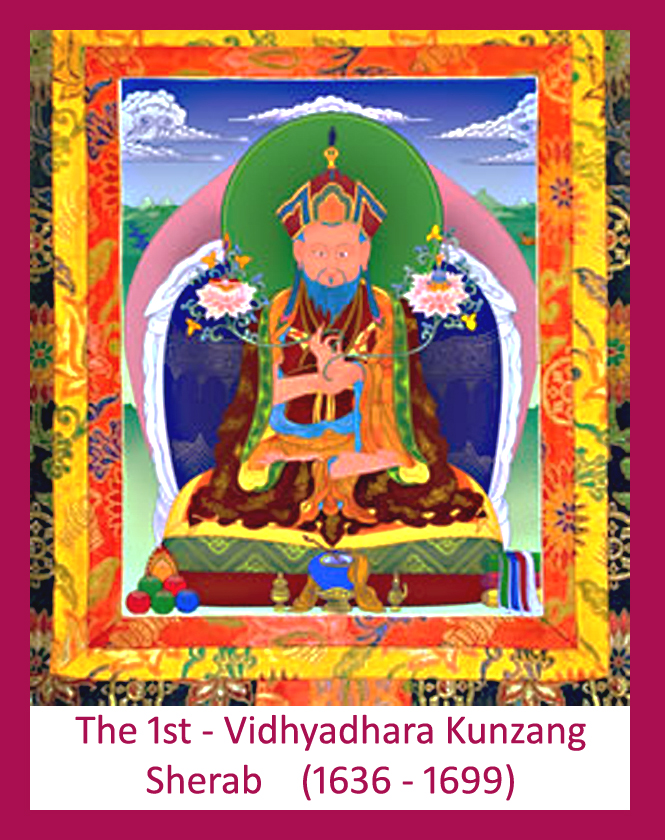
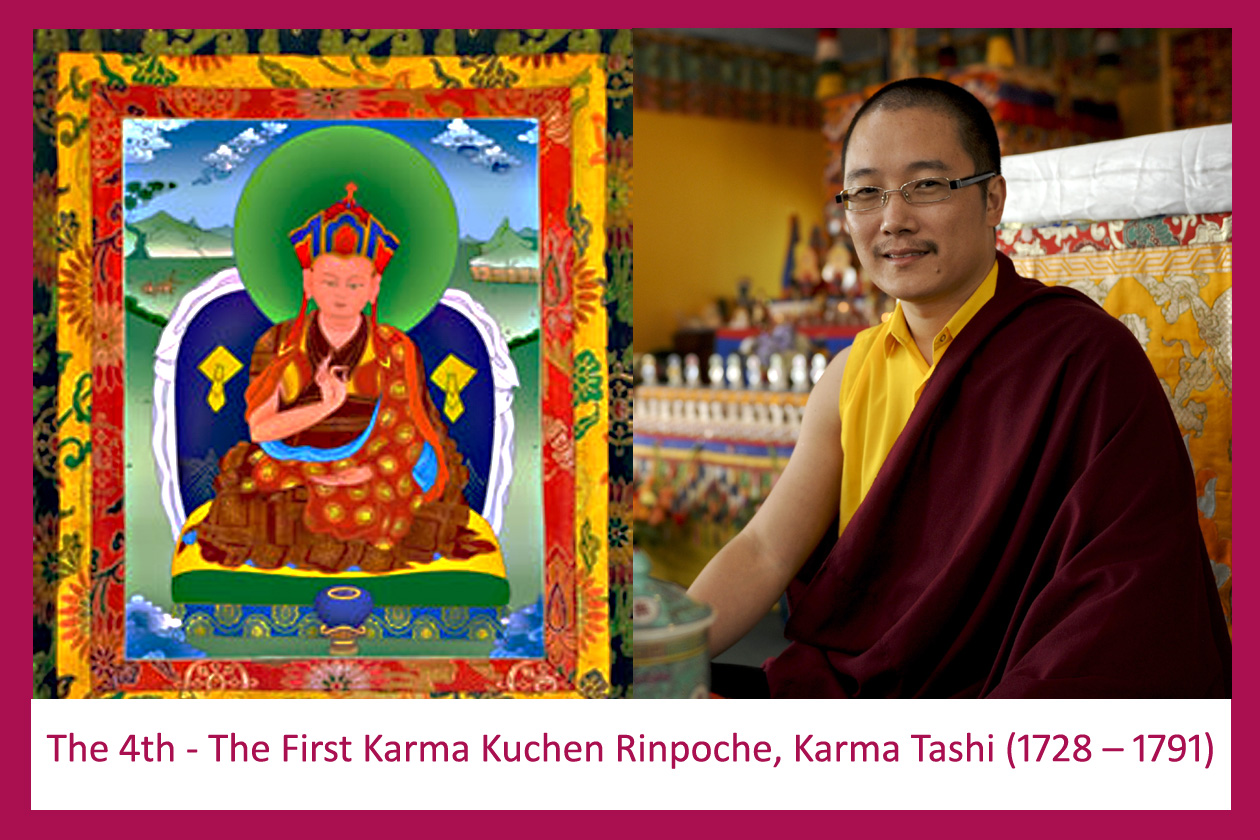
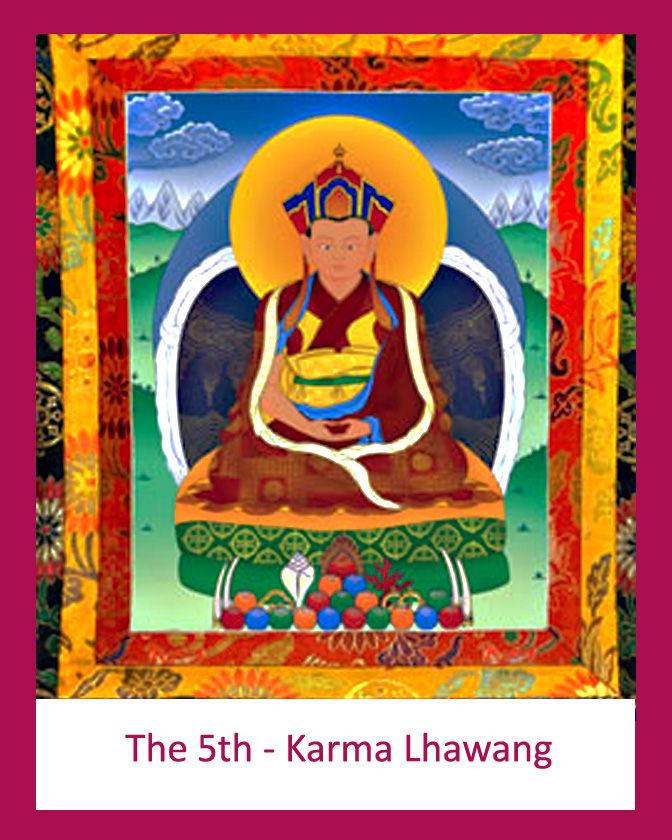
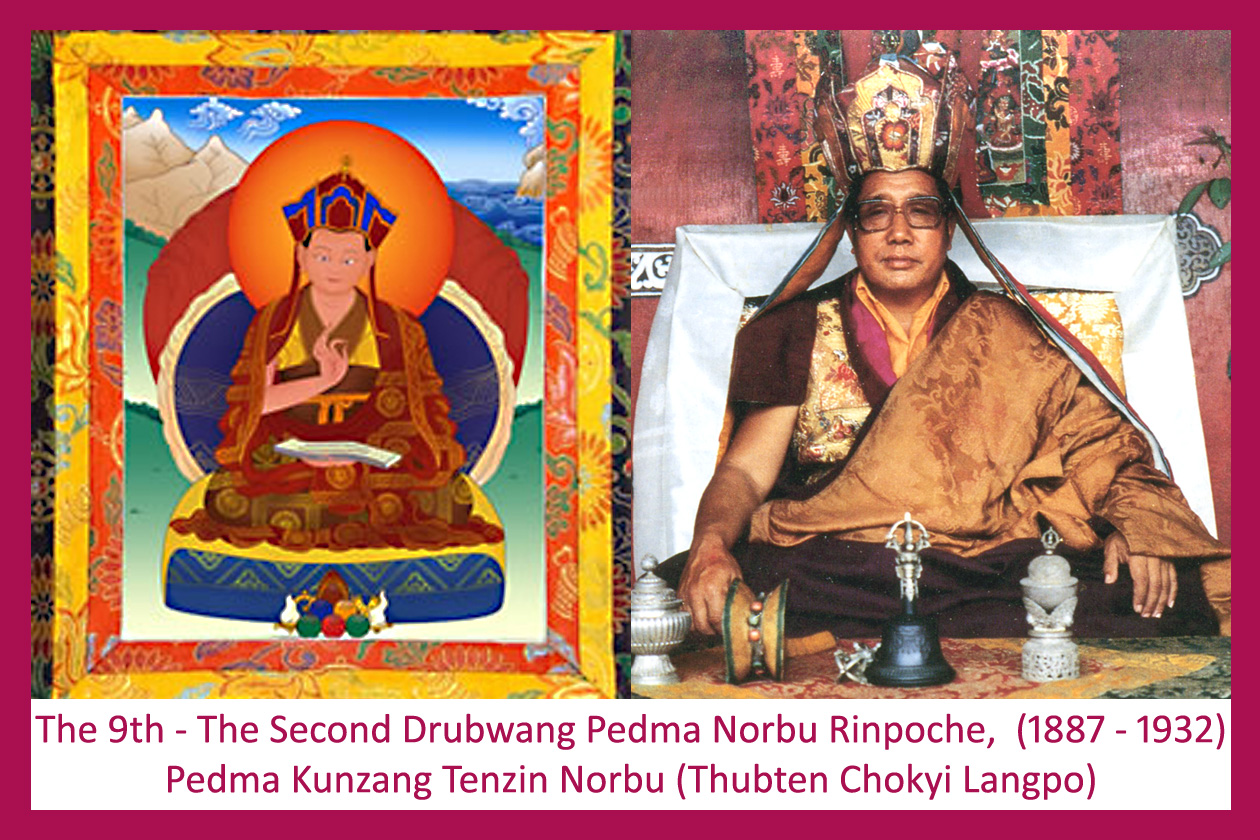
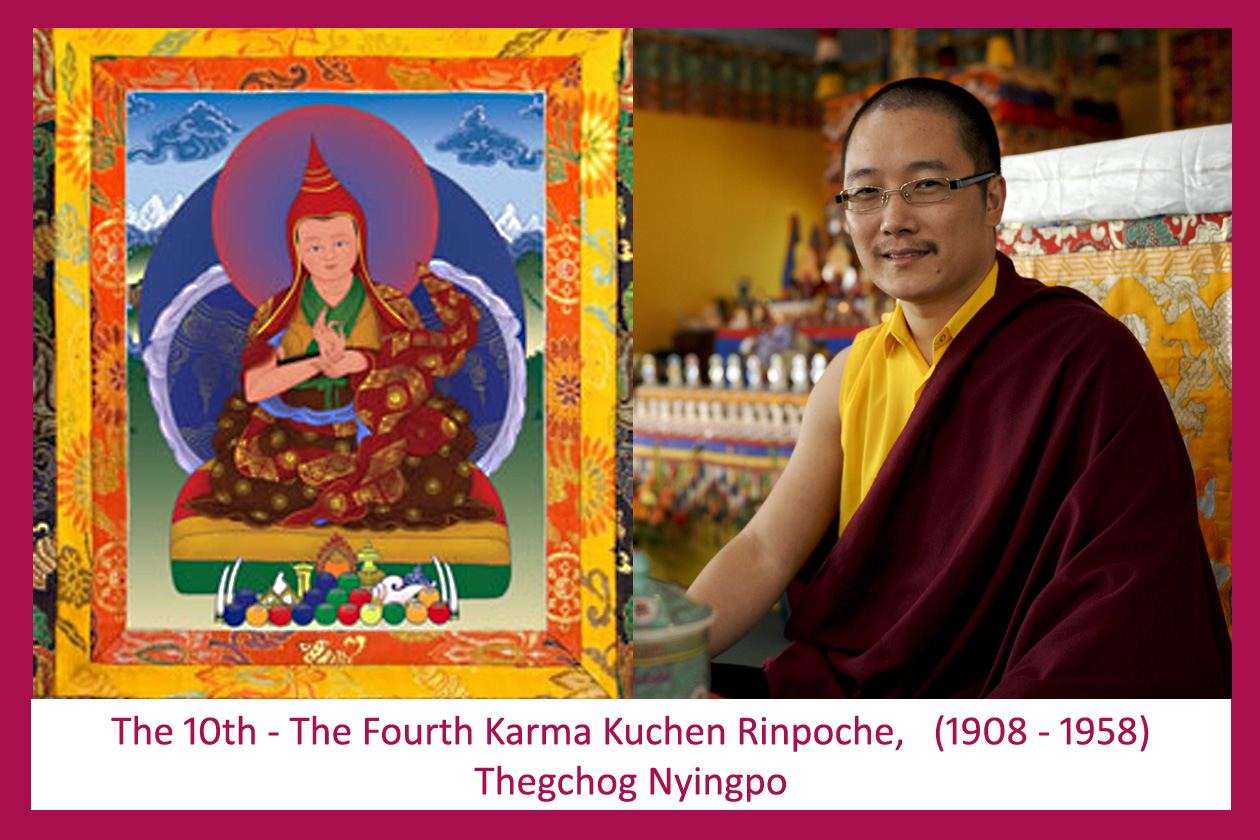
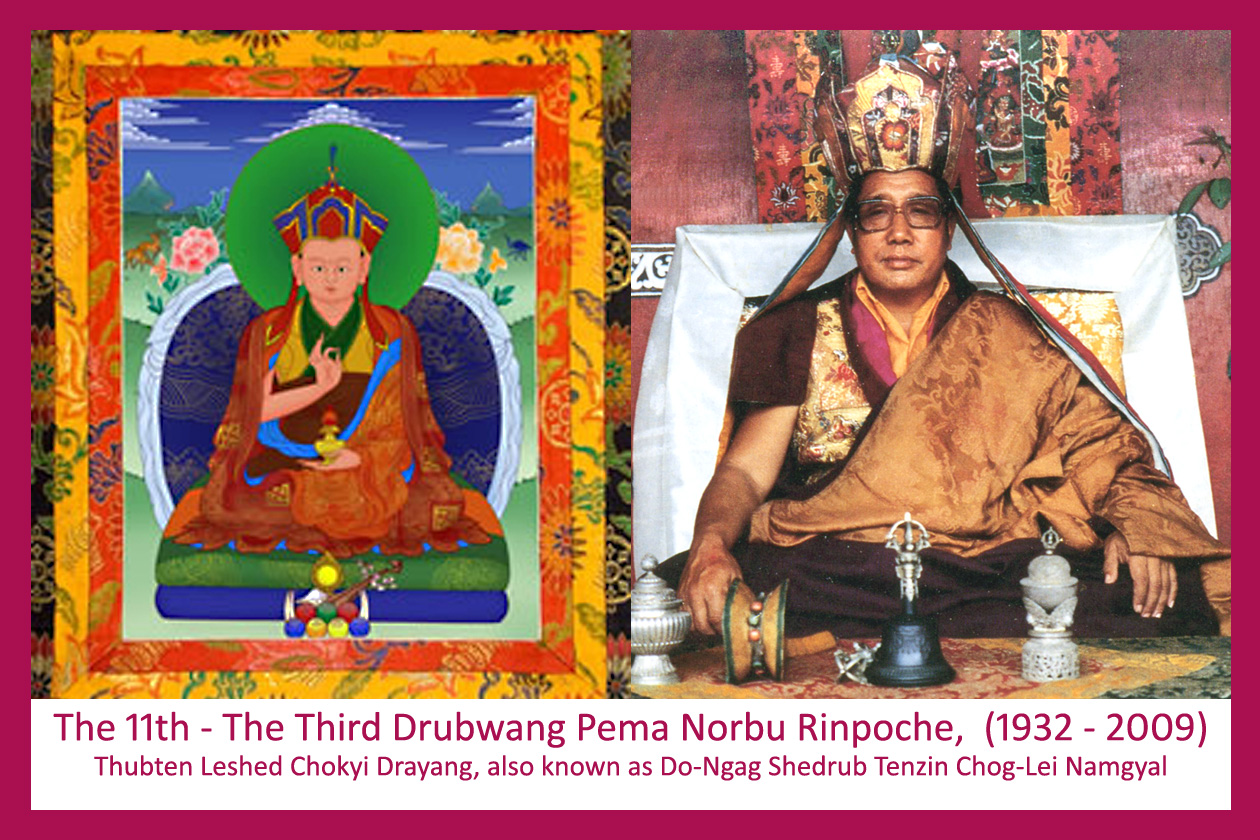
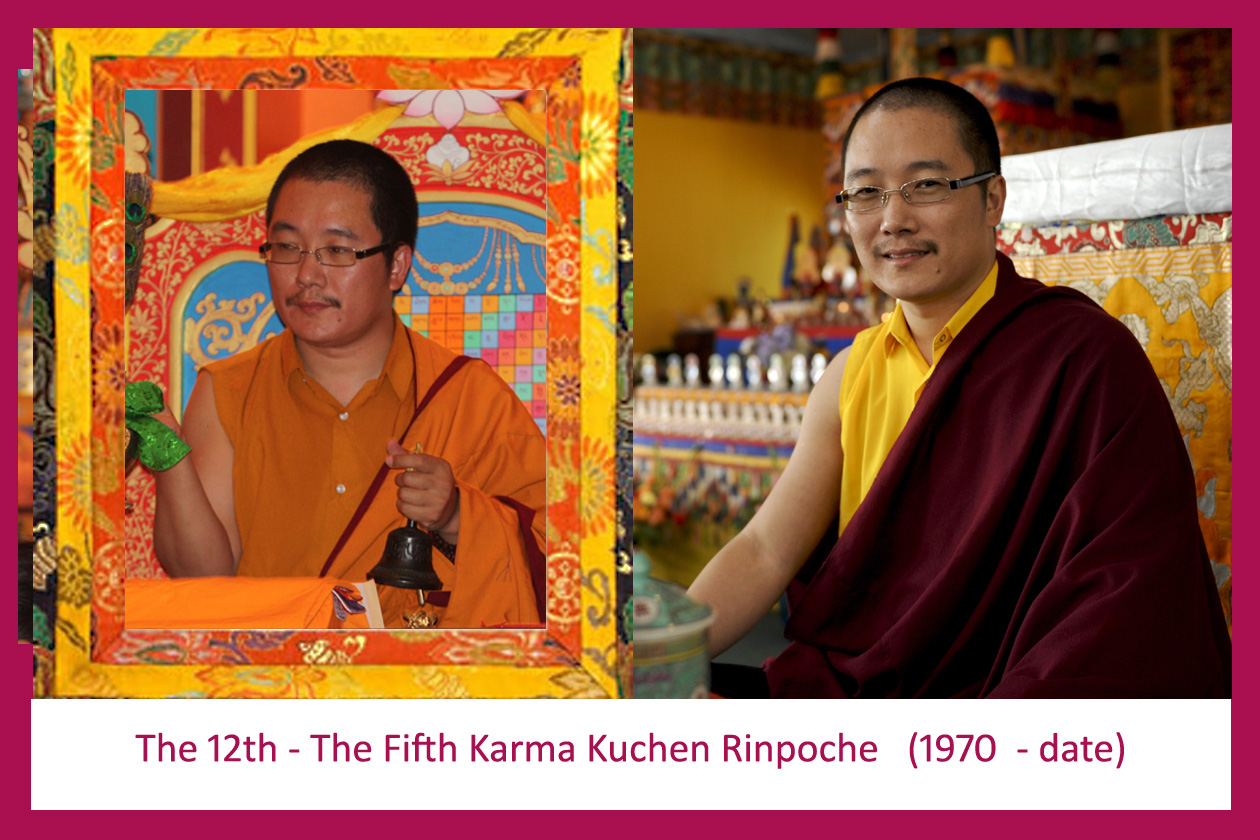
Palyul Monastery — one of the Six “Mother” Nyingma Monasteries. It was founded in either 1632 or 1665 by Rigdzin Kunzang Sherab, a disciple of Terton Migyur Dorje, and Karma Chagmed. The monastery specializes in kama practices, the termas of Ratna Lingpa and Tulku Migyur Dorje (1645-67). The current head of Palyul Monastery is the Fifth Karma Kuchen.

The inspired masters who contributed to the teachings practiced within Palyul

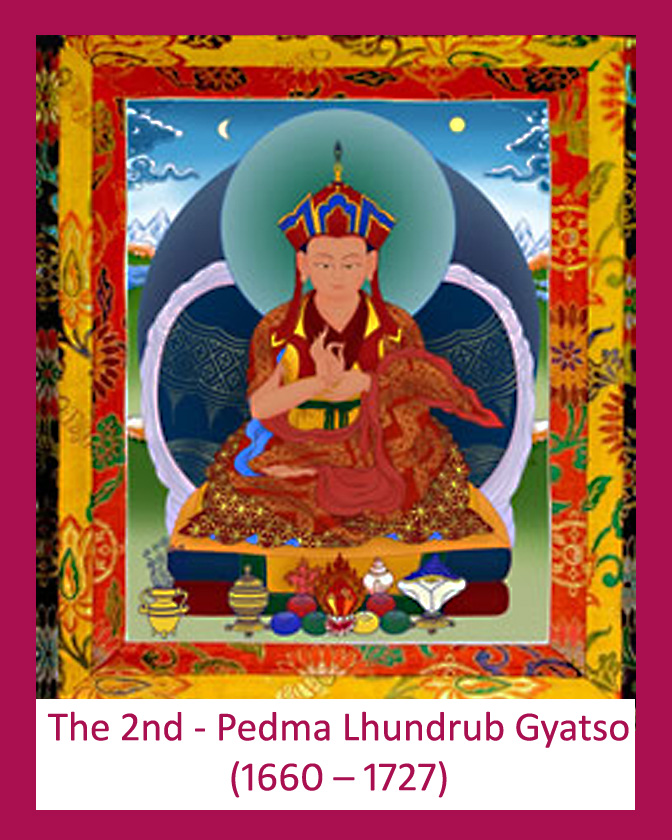
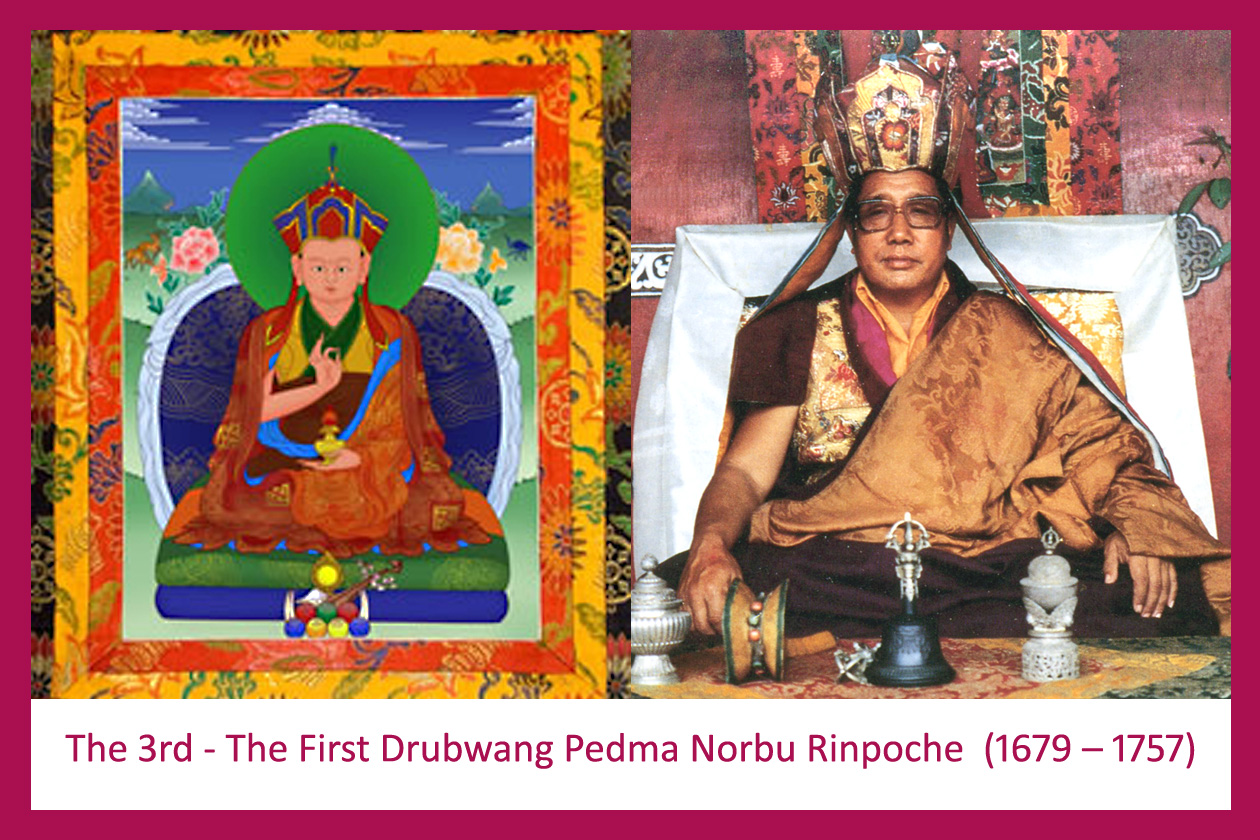
To date, Palyul has had 12 throne-holders in its history.  According to His Holiness Penor Rinpoche, while Nyingma is generally practiced as a Ngagpa tradition, within Palyul it has never been true. The Lineage Holders of Palyul have always been fully-ordained.

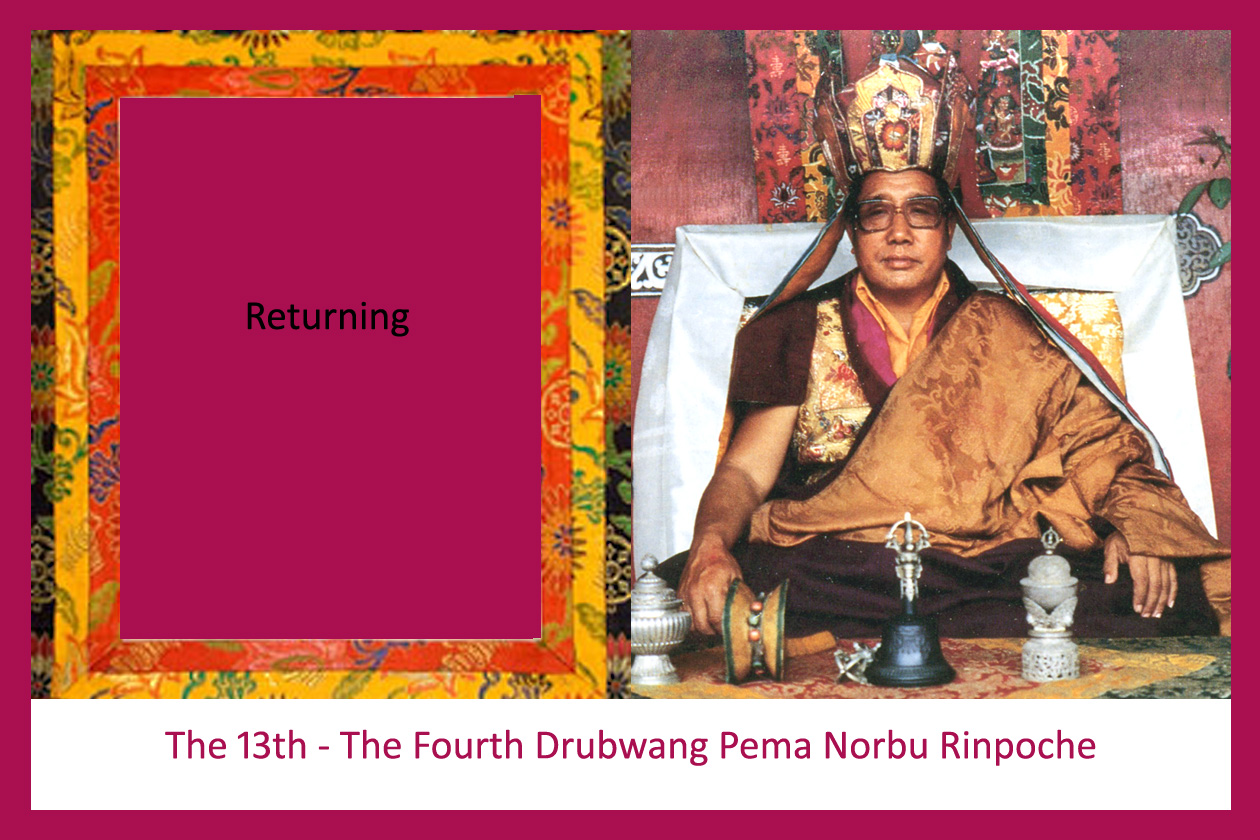
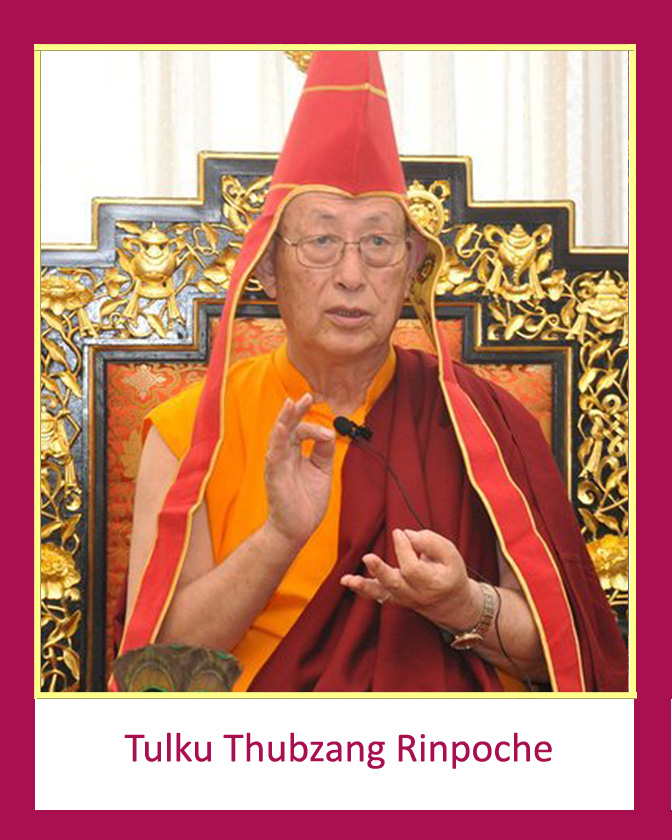
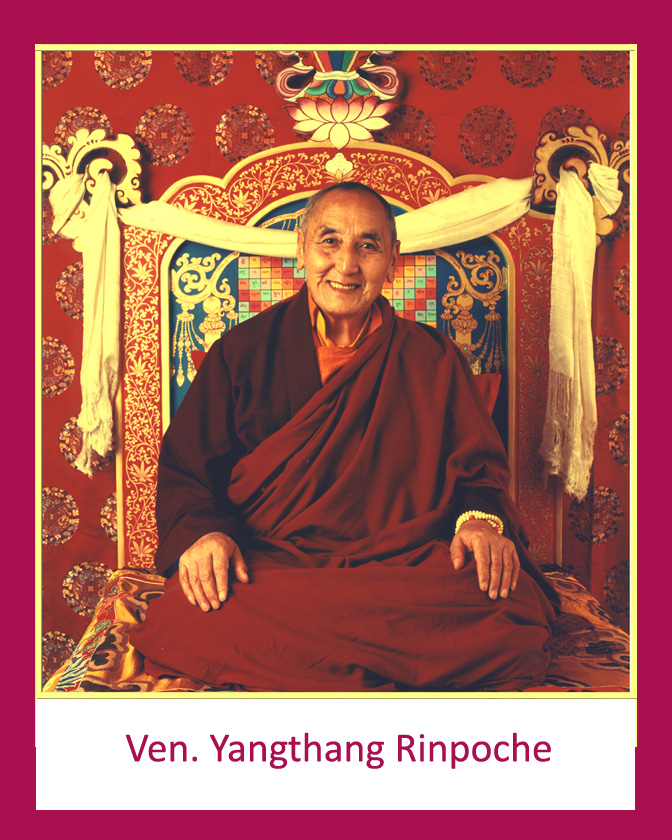
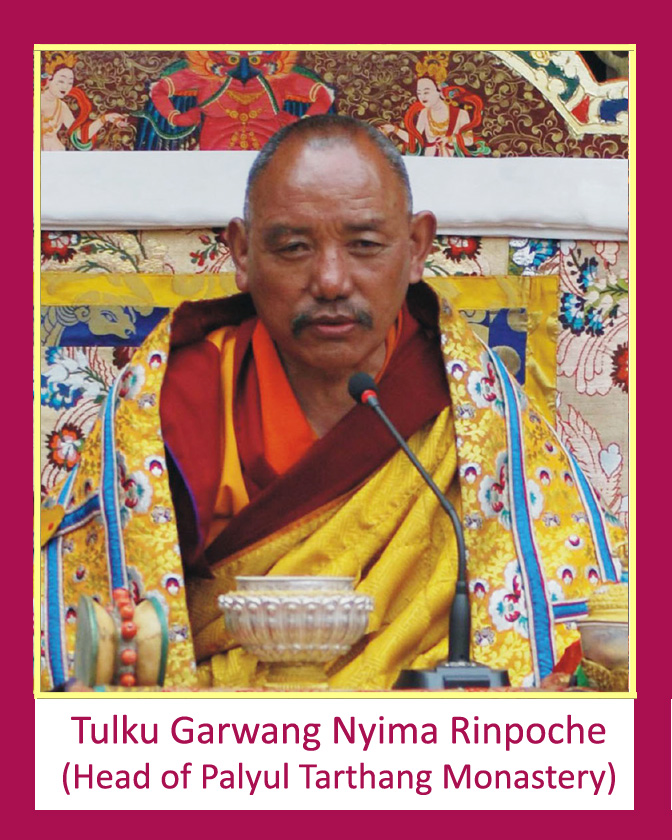
Important “elder statesmen” of Palyul, contemporaries and close senior students of His Holiness Penor Rinpoche, are:

It is because of these pure Lineage teachers that we continue to have a pure unbroken stream of wisdom to guide us today to reveal our own enlightenment.

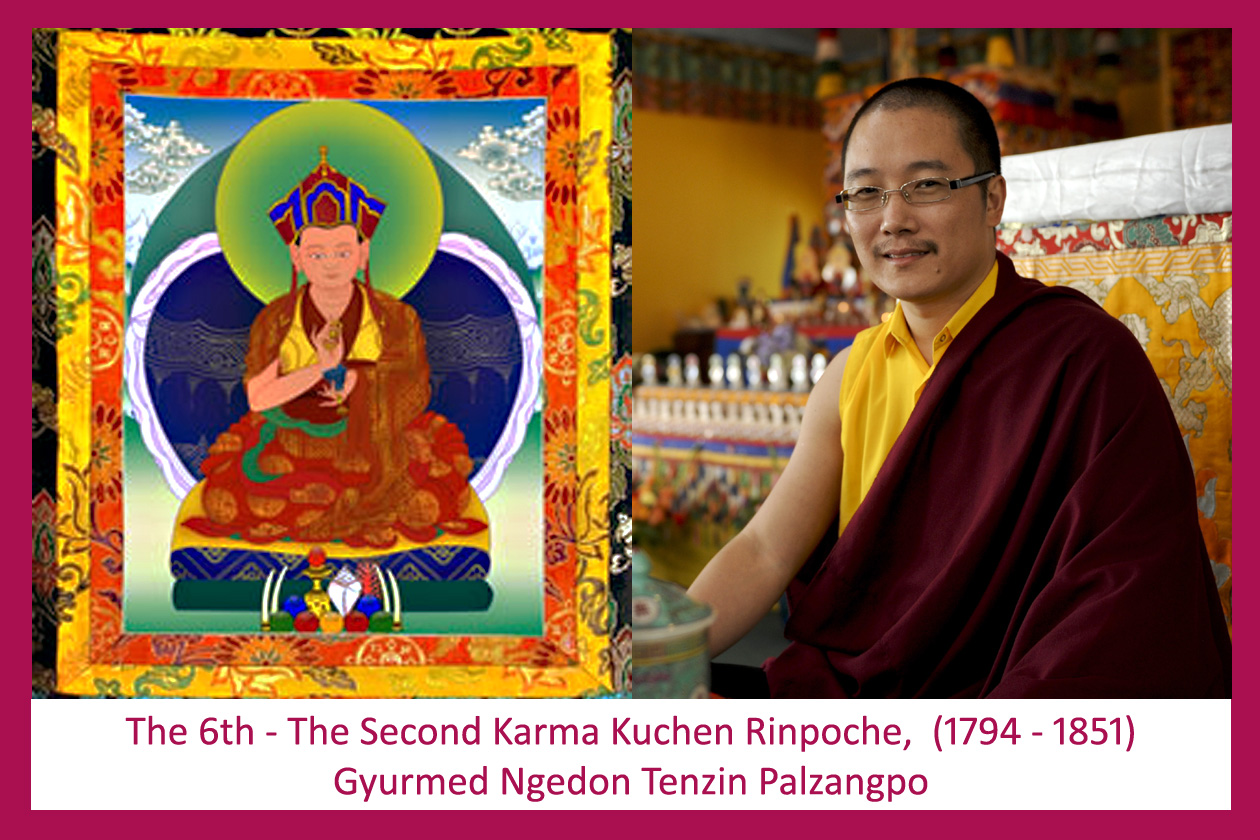
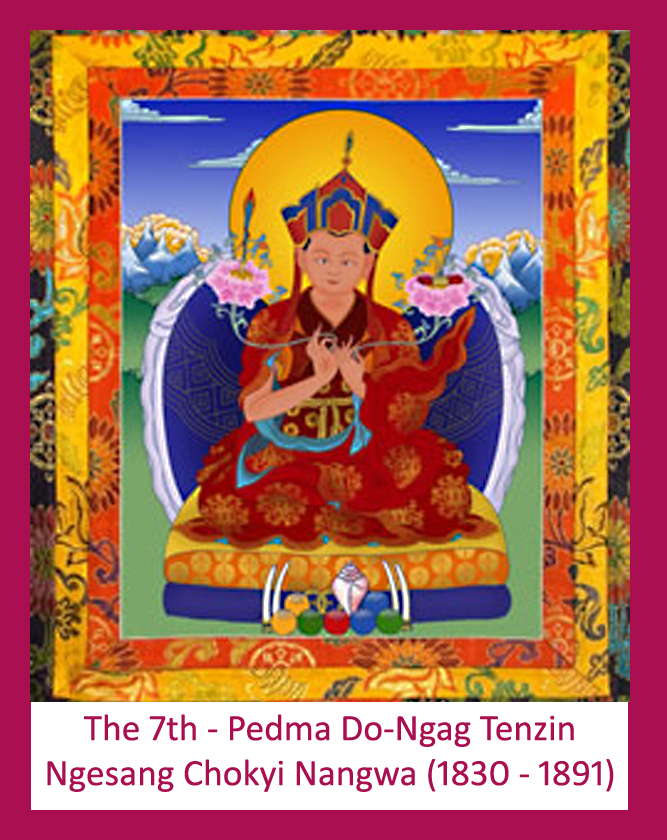
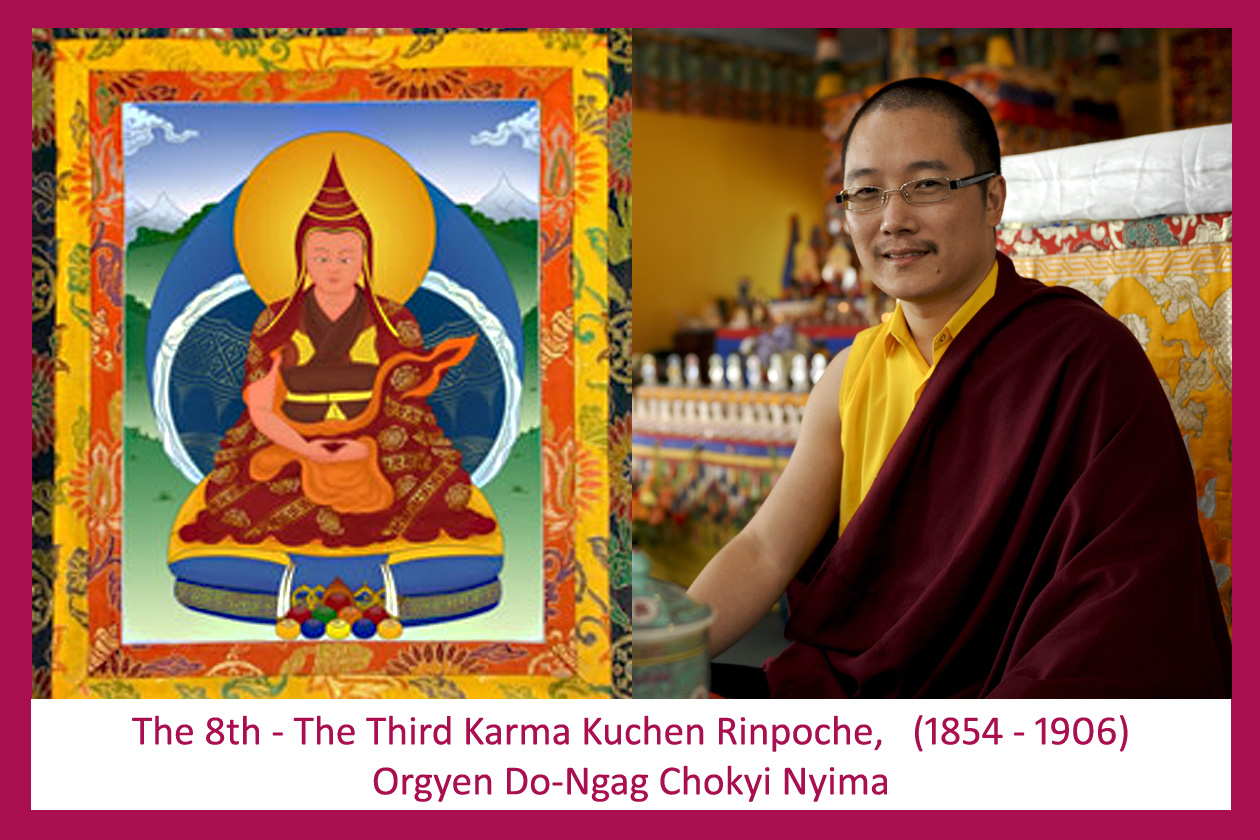
Sources include Wikipedia, Rigpa Wiki, and most of all Pathgate.org, who gave us permission to use their thangka images and biographies

I Wanna

Lyrics by Jetsunma Ahkon Lhamo

I wanna change
I wanna change
The world

I wanna stop the pain
And make the people sing

I wanna bring
I wanna bring
The end of war
And set the people free

I wanna see
I wanna see
The end of lies
And hear the truth
As open as the sky

Chorus:
OM BENZAR SATO SAMAYA
MA NU PA LA YA
BENZAR SATO TE NO PA
TISH TRA DRI DHO ME BHA WA
SUTO KHAYO ME BHAWA
SUPO KHAYO ME BHAWA
ANU RAKTO ME BHAWA
SARWA SIDDHIM ME PRA YATTSHA
SARWA KARMA SU TSA ME
TSITTAM SHRI YAM KU RU HUNG
HA HA HA HA HO
BHAGAWAN SARWA TATHAGATA
BENZAR MA ME MUNTSA
BENZAR BHA WA MA HA
SAMAYA SATO AH

In the View, I confess all commitments broken through mental activity. Knowing the View is the all-pervasive foundational Bodhicitta; realizing that the View exists in non-existence, and practicing meditation that is non-existent, realizing that activity is neither existent nor non-existent, the Bodhicitta is without expectation or disappointment. All root and auxiliary commitments, breaches and failure to uphold them, are unborn, ungenerated, and liberated in the indivisibilty of the object to confess and the confession itself.

OM BENZAR SATO HUNG

Chorus

©Jetsunma Ahkön Lhamo

Calling the Lama from Afar

The following prayer is from the Nam Cho Ngondro, The Great Perfection Buddha in the Palm of Hand

LAMA SANGYE RINPOCHE LA SÖL WA DEB SO

May realize that the Guru is the precious Buddha.

LAMA KHYEN NO   LAMA KHYEN NO

Lama, care for me.   Lama, care for me.

DRIN CHEN TSA WA’I LAMA KHYEN NO

Supremely kind root guru, care for me.

LAMA KHYEN NO   LAMA KHYEN NO

Lama, care for me.   Lama, care for me.

DRIN CHEN TSA WA’I LAMA KHYEN NO

Supremely kind root guru, care for me.

LAMA KHYEN NO   LAMA KHYEN NO

Lama, care for me.   Lama, care for me.

DRIN CHEN TSA WA’I LAMA KHYEN NO

Supremely kind root guru, care for me.

LAMA KHYEN NO   LAMA KHYEN NO

Lama, care for me.   Lama, care for me.

DRIN CHEN TSA WA’I LAMA KHYEN NO

Supremely kind root guru, care for me.

EH    LAMA KHYEN NO  EH      LAMA KHYEN NO

EH     Lama, care for me.  EH Lama, care for me.

EH     PAL DEN TSA WA’I LAMA KHYEN NO

EH      Glorious root guru, care for me.

LAMA KHYEN NO  LAMA KHYEN NO

Lama, care for me.  Lama, care for me.

YE  YE  DRIN CHEN TSA WA’I LAMA KHYEN NO

YE   YE  Supremely kind root guru, care for me.

LAMA RANG KHYEN NO LAMA RANG KHYEN NO

Lama, you alone care for me. Lama, you alone care for me.

DRIN CHEN TSA WA’I LAMA KHYEN NO

Supremely kind root guru, care for me.

To Whom It May Concern


Lyrics by Jetsunma Ahkon Lhamo

Hello my friend, you got your best face on

And I see what you sayin,’ and why you been gone

Oh, I know all the reasons, it’s the same old song

You see I met a lot of people, since I was born

And you can always tell a good man, by what he has done

You say you’re outstanding in your field, I see you standing alone

Don’t take it personal, I’m just tellin’ what I see

And I’m trying to do my Dharma, ‘cause I wanna be free

But if you cause a gal to suffer, the result is what you see

Think about it Honey, what have you done for me

When it comes down to giving, all I have is free

I guess you had your own agenda, and your own misery

Let me tell you one thing, that I know to be true

Every single pain you cause, will come right back to you

It’s time to be a stand up man, and pay your own dues

Don’t take it personal, I’m just tellin’ what I see

Trying to do my Dharma, ‘cause I wanna be free

But if you cause a gal to suffer, the result is what you see

©Jetsunma Ahkön Lhamo 2007

WP2Social Auto Publish Powered By : XYZScripts.com